


Teen Mental Health Treatment near Waterville, ME | The Ridge RTC
Families searching for teen mental health treatment in Waterville, ME, can access high-quality residential care just a short drive away at The Ridge RTC’s Lakehouse campus in South China.
We’ve built a supportive, healing-focused environment where adolescents ages 12-17 can develop healthy coping strategies, strengthen their resilience, and move toward a brighter future. Our community-rooted residential program makes consistent family participation realistic for Waterville families and provides a safe place for teens facing depression, anxiety, trauma, suicidal thoughts, and co-occurring concerns. Read on to learn more, and reach out to The Ridge RTC anytime with questions or to begin the admissions process.
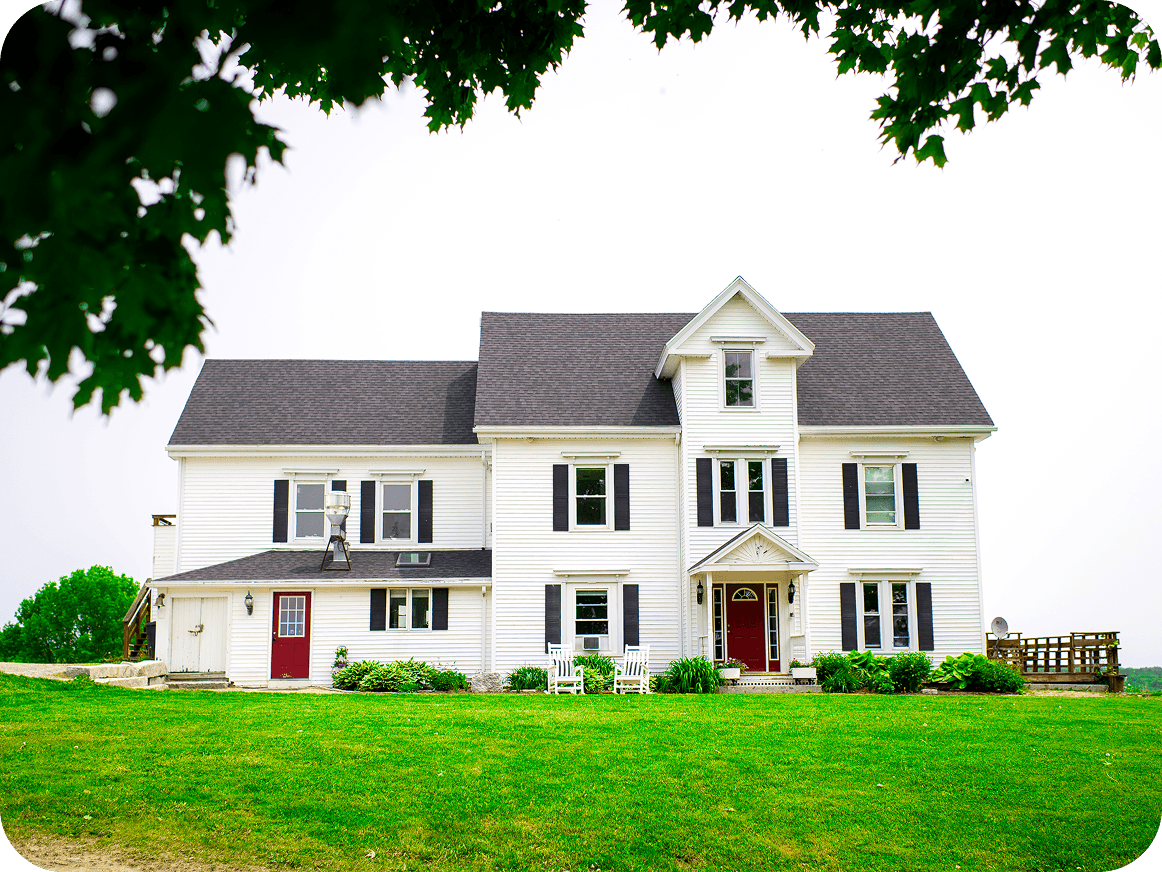
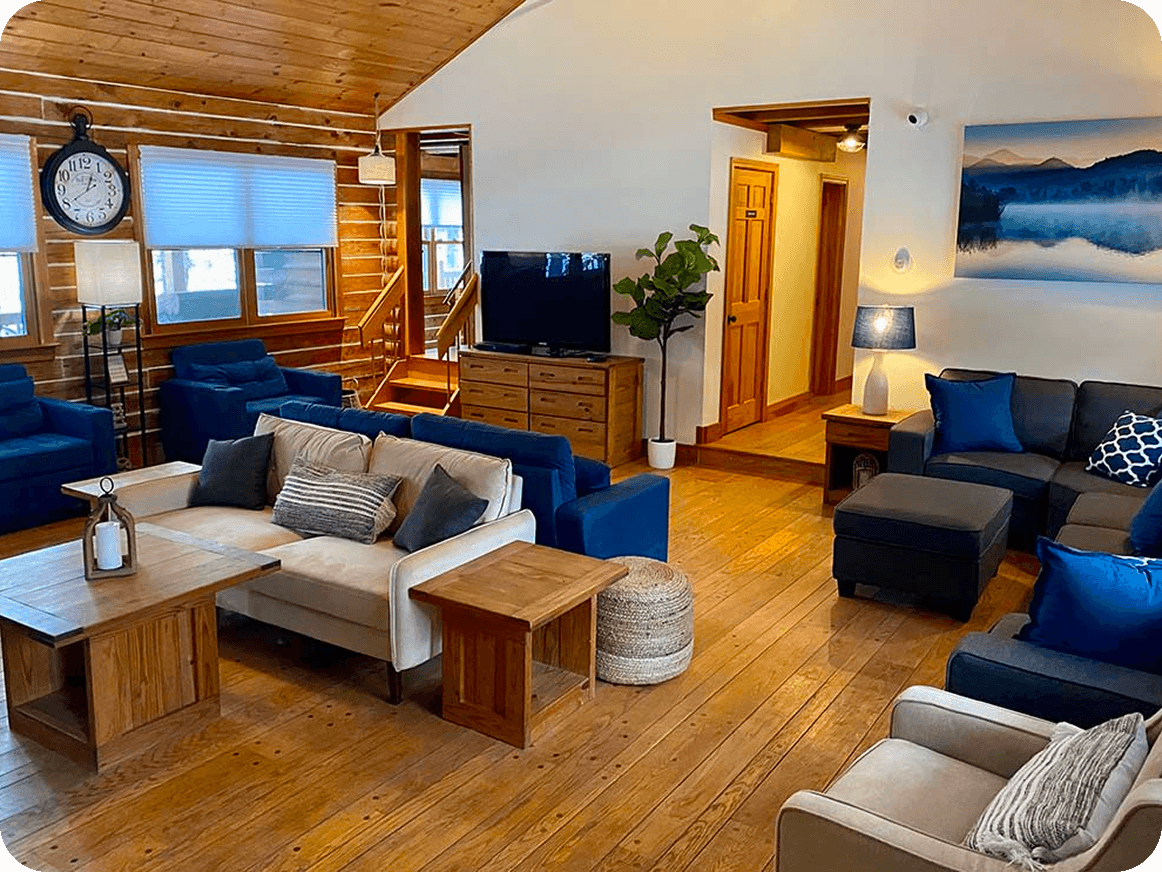
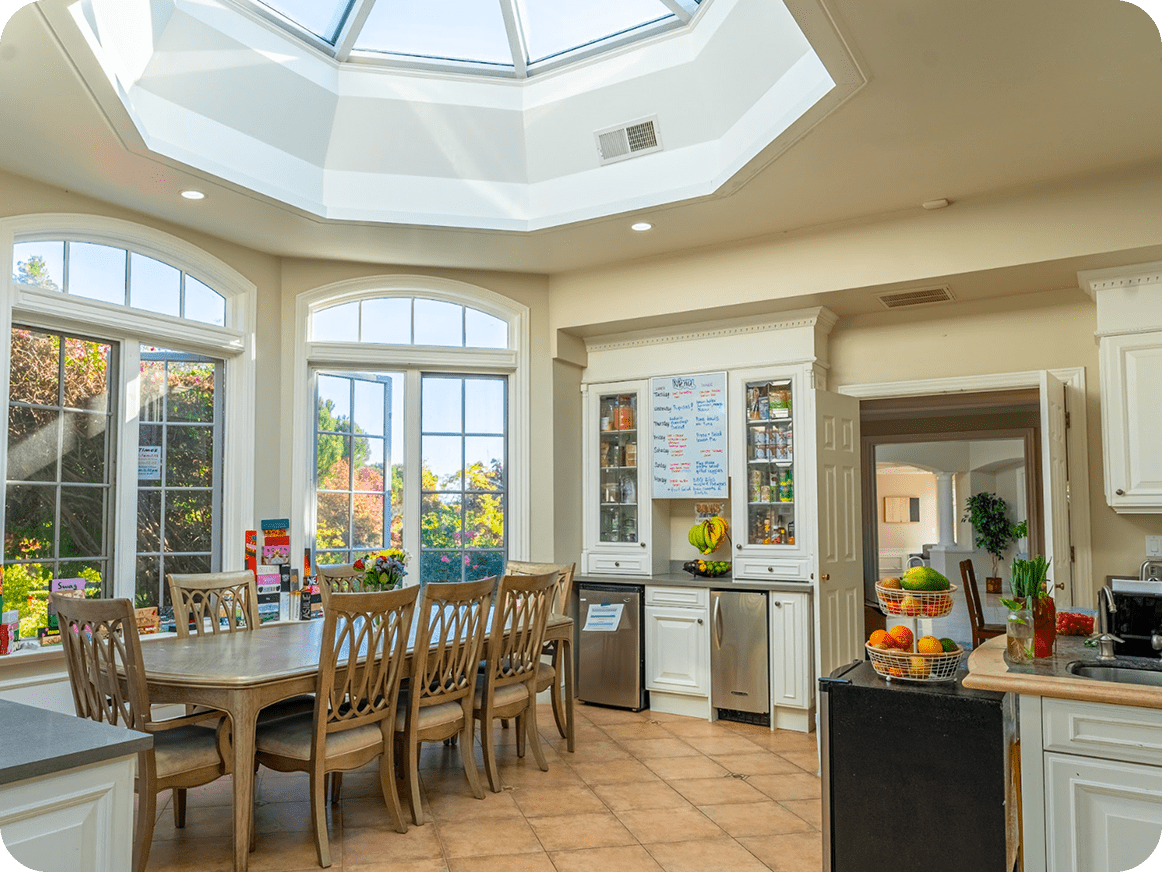
When outpatient therapy isn’t enough, residential treatment provides the structured, around-the-clock care many teens need to stabilize and lay the groundwork for long-lasting recovery. Our lakeside campus is made to feel more like a home than a hospital, while still offering 24/7 clinical oversight, individual and group therapy, psychiatric services, and skill-building programming.
Because our residential treatment program operates in the same community as our outpatient services, teens from the Waterville area benefit from continuity throughout their care journey and a smoother transition back to daily life. Keeping treatment local also means teens stay connected to the people who matter most, and parents can attend weekly family therapy sessions without disrupting work and home routines.
Note: The Ridge RTC residential program in South China, ME, currently serves youth ages 12-17. Young adults ages 18-20 can find appropriate care at our Emerging Adult Program at The Ridge RTC New Hampshire.
What We Treat
Signs of mental health struggles in teens are sometimes brushed off as adolescent moodiness or a passing stage. Our approach is different. We provide evidence-based care that is specifically built around the developmental, emotional, and social realities of the teenage years.
Support is available for:
- Depression
- Anxiety disorders
- Trauma and PTSD
- Suicidal thoughts and self-harm
- Difficulty regulating emotions
- Co-occurring diagnoses
- And more
Every teen who comes to us begins with a thorough diagnostic workup. The treatment that follows is individualized based on what we learn and includes. For example, teen depression treatment for one client might emphasize cognitive behavioral therapy and behavioral activation, whereas a treatment plan for a teen with overlapping trauma needs may lean more heavily on EMDR or trauma-focused CBT.
Is Residential Treatment the Right Fit?
Most families considering one of our campuses have already tried other things, such as outpatient therapy, school-based supports, or maybe a brief hospitalization. These do help, and for many teens, they’re enough. Residential care, however, comes into play when they’re not.
A few signs it may be time to look at a higher level of care:
- Symptoms have persisted or worsened despite outpatient treatment
- Daily functioning at home or school has declined
- Safety concerns (self-harm, suicidal ideation, escalating crises) are recurring
- Your loved one needs more structure and support than the home environment can provide right now
Depression and anxiety tend to appear together in teens, often alongside trauma or other co-occurring concerns, which is part of why outpatient teen anxiety treatment, for example, sometimes plateaus. Adolescent residential mental health care in the Kennebec Valley fills that gap, and our admissions team can help you figure out whether it’s the right call for your child.
What Our Lakehouse Campus is Like
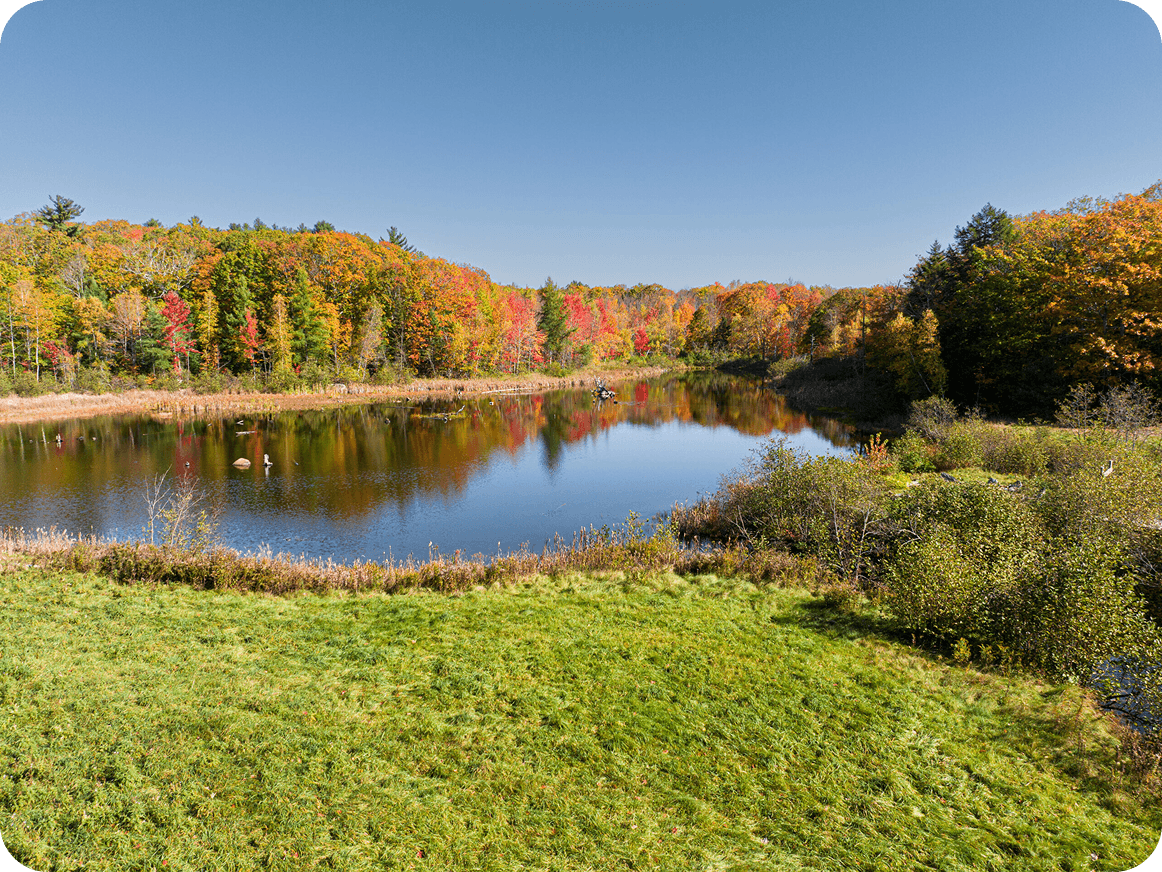
Our campus sits on China Lake, and the setting in itself plays a role in how teens respond to treatment. Time outdoors, lower sensory load, and steady daily routines all make the therapeutic work easier to engage with. Teens who arrive overstimulated and dysregulated tend to settle into the rhythm of the place within their first week or two.
Day-to-day, residents participate in individual therapy, group sessions, psychiatric care when indicated, and accredited academic instruction to ensure they don’t fall behind during their stay. Our clinical toolkit centers on cognitive behavioral therapy, dialectical behavior therapy, and trauma-focused approaches, chosen and adjusted based on each teen’s profile. Families can participate weekly as active parts of the treatment plan.
Frequently Asked Questions
For more, visit our teen mental health treatment FAQs.
Our address is 24 Pond Hill Road in South China. From most parts of Waterville, you’re looking at a drive of about twenty minutes via Route 202.
Yes, we operate a second Maine campus, the Farmhouse, in Morrill, which is about an hour east of Waterville. Some families end up choosing one over the other based on factors beyond drive time, and our admissions team can talk through the differences if it’s relevant for your situation.
No. Inpatient psychiatric units are designed for short-term acute stabilization, or treatment that lasts several days. Residential care is longer-term, therapeutic, and takes place in a home-like setting rather than a hospital.
Quite involved, and we’d consider that a non-negotiable part of how the program works. Beyond weekly family therapy that you can attend, the proximity to Waterville makes scheduled visits realistic in a way they wouldn’t be with an out-of-state placement. We also allow clients to make calls to approved contacts using our landlines.
For more answers, visit our Teen Treatment FAQs.
Learn More About Teen Mental Health Treatment
Most parents who eventually call us spent weeks or months talking themselves out of it first. There’s no perfect moment to make this kind of decision, and you don’t need to have all the answers before reaching out. If something in what you’ve read here resonates with what’s happening at home, our admissions team can walk you through what enrollment looks like, what a typical day involves, and whether residential care is the right fit for your teen. Contact The Ridge RTC when you’re ready.