


Teen Residential Treatment Center in New Hampshire
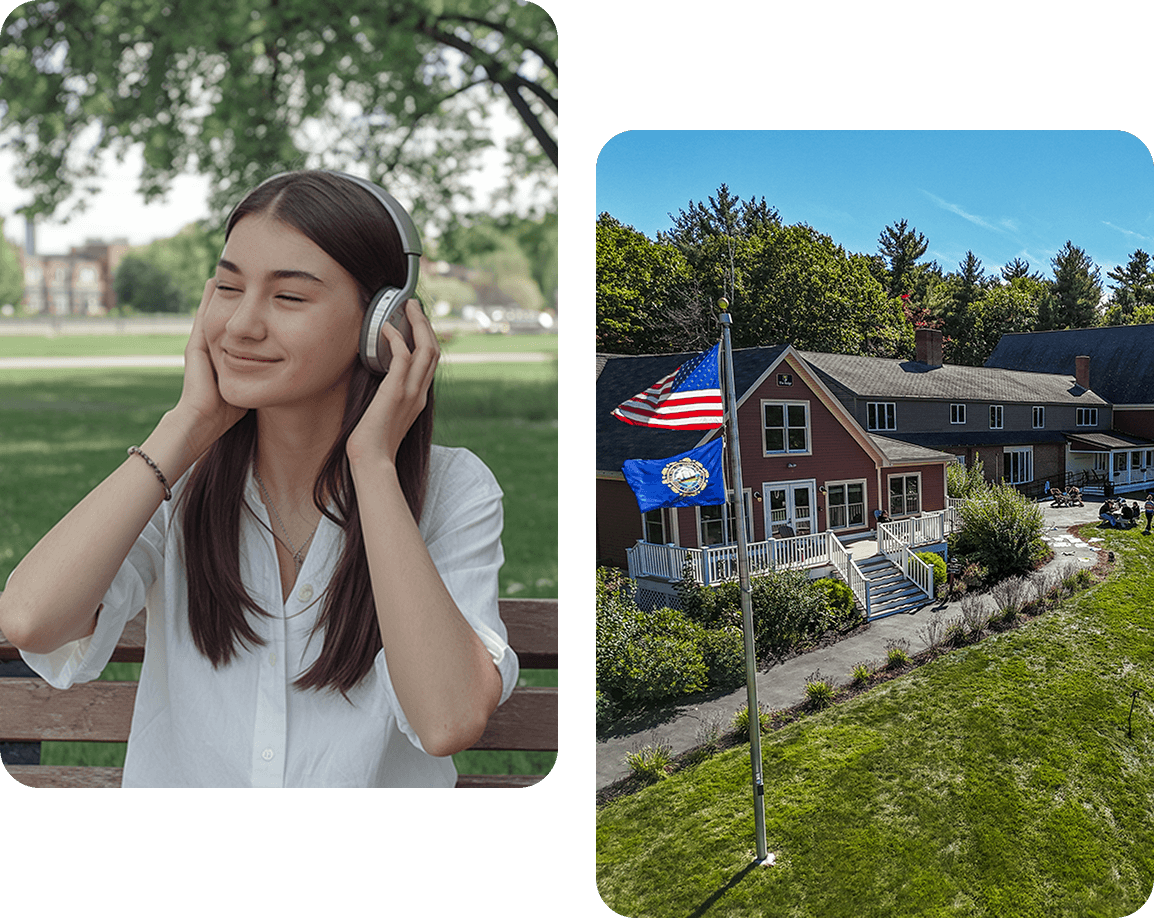
When a teen is struggling with depression, anxiety, trauma, or behavioral challenges that outpatient care can no longer address, residential treatment offers a level of support that goes much deeper. The Ridge RTC’s teen residential treatment center in New Hampshire is located on a 350-acre property in Milton, NH: a structured, clinically intensive program for adolescents ages 12–20 set within the natural landscape of New England.
Our program is built around therapy, not behavior management. Every teen receives an individualized treatment plan, round-the-clock support, and a daily schedule designed to promote emotional stability, self-awareness, and lasting growth.
Why Families Choose Our New Hampshire Campus
Families looking for youth residential treatment in New Hampshire often face a hard question: what makes one program meaningfully different from another? At The Ridge, the answer begins with clinical intensity.
Many residential programs offer multiple individual therapy sessions per week. Our program is built around a higher level of individual clinical attention than most residential settings provide. That level of therapeutic engagement isn’t standard in adolescent residential care.
Beyond therapy volume, families also choose The Ridge because:

We treat root causes, not just behaviors.
Substance use, self-harm, and school avoidance are symptoms. Our clinical team works to identify and address what’s driving them.

Family involvement is built in.
Weekly family therapy and parent coaching keep families informed and active throughout the program.

We work to make care accessible.
We are in-network with major carriers and pursue Single Case Agreements when needed.

Treatment plans are built from a thorough clinical assessment at admission
with no one-size-fits-all protocols.

The campus removes teens from daily stressors.
Our rural New Hampshire setting creates distance from the environments and influences that reinforced their struggles.
For the teens we serve who need a higher level of care than what’s locally available, our NH campus offers a clinically rigorous option within reach of New England families.
About Our Teen Behavioral Health Program in New Hampshire
The Ridge was designed for adolescents, ages 12 to 20, all genders, whose mental health and behavioral health needs exceed what outpatient settings can provide. Our mission and values center on treating the whole teen: the emotional and psychological issues underneath the surface behaviors, not just the behaviors themselves.
Our program follows a three-phase structure:
- Stabilization: Addressing immediate safety concerns and reducing acute distress
- Evaluation: A comprehensive clinical assessment to identify diagnoses, contributing factors, and treatment priorities
- Preparation: Building the skills, insight, and resilience teens need to sustain progress beyond the program
This structure keeps treatment purposeful and time-bound. Average stays range from 30 to 90 days, beginning with an initial 30-day period. Length of stay is determined collaboratively by the clinical team, the family, and the teen’s own trajectory rather than a fixed schedule.
What Adolescent Residential Treatment Looks Like at The Ridge NH
Adolescent residential treatment in New Hampshire at The Ridge is structured, therapeutic, and built around consistent daily engagement. Teens follow a purposeful schedule that balances clinical work, physical activity, skill-building, and community, minimizing unstructured time, which research links to regression in behavioral health settings.
Days include individual therapy, group sessions, outdoor and experiential programming, instructor-led arts and movement, and structured meals. Weekly touchpoints cover family therapy, psychiatric evaluation, and treatment review.

Evidence-Based Therapies at Our Teen Treatment Center in NH
Our treatment approach draws from established, research-supported modalities. Therapists work with teens individually and in groups using:
Cognitive-Behavioral Therapy (CBT):
Dialectical Behavior Therapy (DBT):
Motivational Interviewing:
Positive Youth Development (PYD):
These modalities address the full range of conditions we treat: depression, anxiety, trauma, ADHD, substance use, self-harm, school avoidance, and more.
All psychiatric support, including medication evaluation and management, is handled on-site. Medication decisions are always made collaboratively with families.

Life at Our New Hampshire Residential Campus
The Ridge sits on 350 acres in Milton, and the setting is genuinely part of the therapeutic model.
Outdoor programming uses the Shortridge trail network for hiking, biking, and snowshoeing, while the “Base Camp” area hosts structured experiential activities designed to build confidence, problem-solving, and peer connection. Physical engagement and nature exposure here are clinically intentional, not incidental.
Expressive arts programming rounds out the schedule. Art therapy, music therapy, and writing give teens non-verbal channels for processing difficult emotions. Yoga and instructor-led movement sessions support physical health and complement the emotional regulation work happening in clinical sessions.
Meals are structured and nutritionally balanced. Accountability, routine, and community living are woven into how the program operates from morning to night: not as rules to follow, but as practices that reinforce what teens are working on in therapy.
| Program Component | Frequency |
|---|---|
| Individual therapy | Multiple sessions weekly |
| Group therapy | Daily |
| Family therapy | Weekly |
| Psychiatric support | Weekly |
| Outdoor/experiential activities | Daily |
| Expressive arts programming | Regularly scheduled |