


Young Adult Residential Treatment Near Rochester, NH
When young people need more than outpatient care can provide, young adult residential treatment near Rochester, NH, is closer than most families realize. The Ridge RTC’s Emerging Adult Program sits about 20 minutes up the road in Milton, offering structured clinical care for ages 18–20 in a setting designed specifically for this transitional stage of life.
The Ridge RTC’s emerging adult residential program is built for ages 18–20, a group that often falls between adolescent and adult services. Residential mental health treatment for young adults at this stage does more than address symptoms; it addresses the developmental work of transitioning to adulthood, including the patterns that can present clinically as “failure to launch.”
Our program delivers individual therapy, group therapy, family work, and psychiatric care, daily group sessions, family therapy, and psychiatry. That level of clinical engagement makes residential treatment for young adults near Rochester, NH, substantively different from outpatient care, where support is spread across weekly appointments rather than embedded in daily structure.
Signs Your Young Adult May Need Residential Treatment
The following signs often indicate that residential care is worth serious consideration:
- Low or depressed mood lasting two or more weeks
- Withdrawal from school, work, or basic responsibilities
- Social isolation and disengagement from close relationships
- Self-harm or suicide ideation
- Outpatient care that has not produced meaningful improvement
- Substance use as a coping mechanism
When several of these patterns appear together in an emerging adult, residential mental health treatment for young adults becomes the appropriate next step. Waiting for a full crisis often narrows the family’s options. Reaching out earlier tends to open them.
How Depression and Anxiety Affect Young Adults and Rochester Families
Depression and anxiety in emerging adults are frequently misread as character issues: laziness, avoidance, or immaturity. Effective residential depression treatment and anxiety treatment begin with recognizing that these presentations are typically clinical, not motivational.
Symptoms tend to compound in ways that specifically undermine independence. Sleep patterns are disrupted. The ability to hold a schedule erodes. Academic or work commitments slip, relationships shrink, and each missed obligation makes the next one feel heavier.
Families in Rochester absorb the strain. Parents often find themselves managing the day-to-day of a young adult who was supposed to be launching, while trying to weigh how much support is helpful and how much is enabling. Siblings feel the shift in household focus, and caregivers can reach a point of exhaustion that becomes its own clinical concern.
Our Approach to Young Adult Mental Health Treatment
Every young adult who enters the Emerging Adult Program begins with a thorough clinical assessment. That assessment shapes the individualized treatment plan that follows, including modalities, pacing, and the level of family involvement.
Our clinical team draws from CBT, DBT, Motivational Interviewing, trauma-focused therapy, and psychodynamic therapy. Recreational and outdoor experiential programming complements the clinical work. Family engagement is built into the model from the start, because the environment a young adult returns to shapes how durable their progress will be. Learn more about our approach to trauma and PTSD treatment.
About Our Campus: Serving Young Adults and Families from Rochester, NH
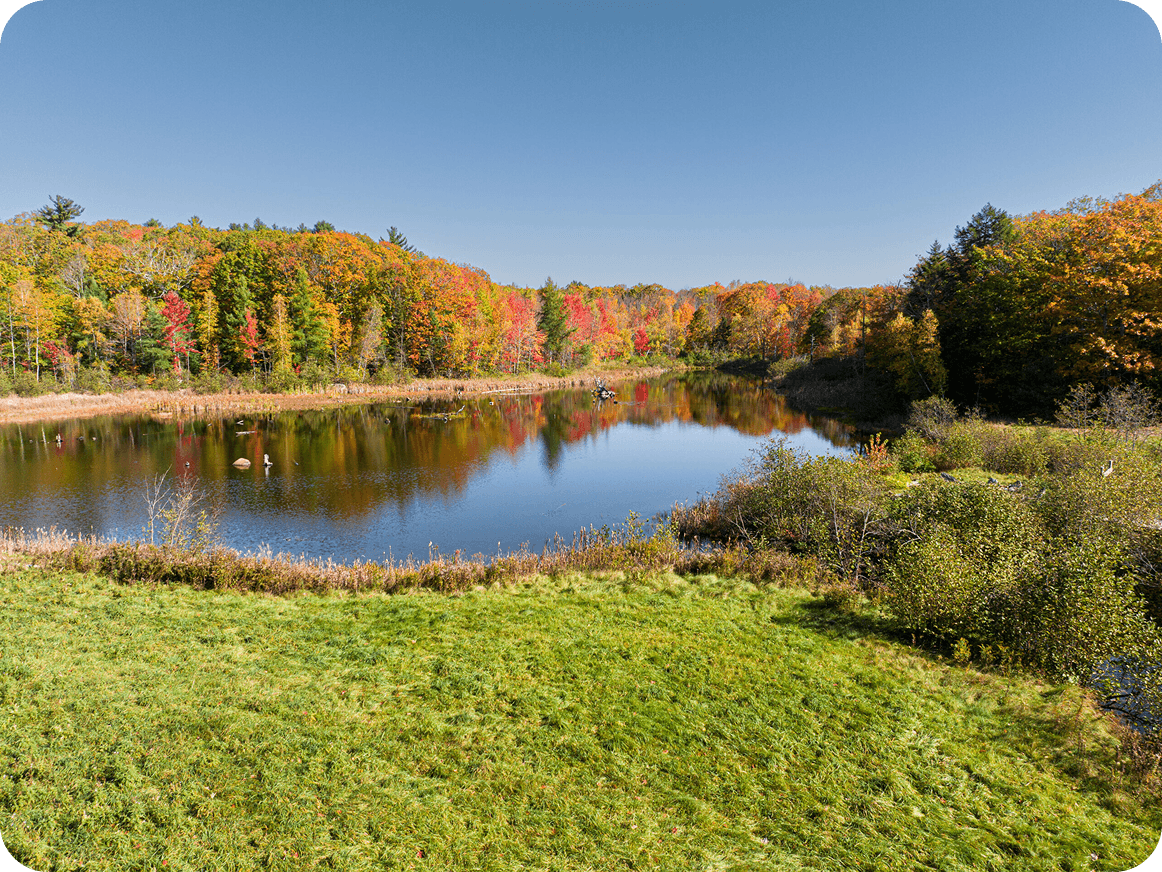
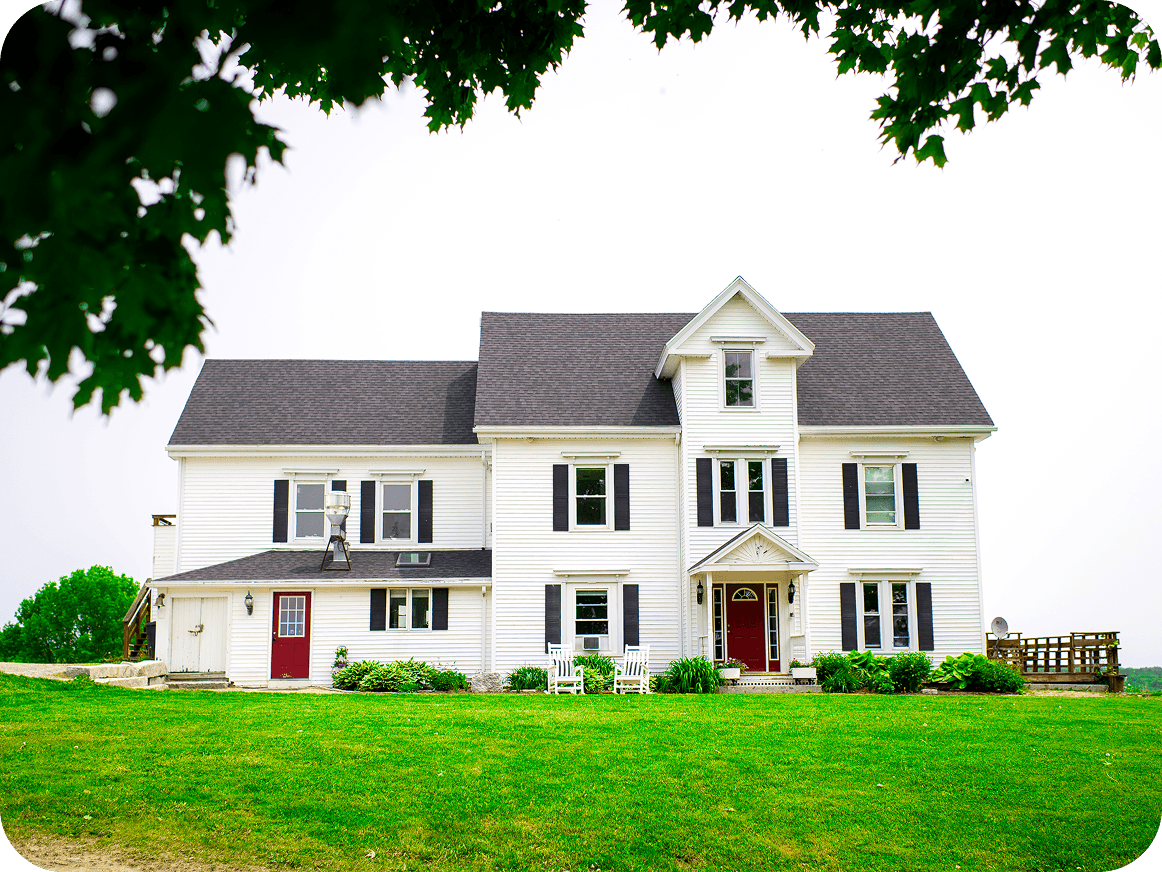
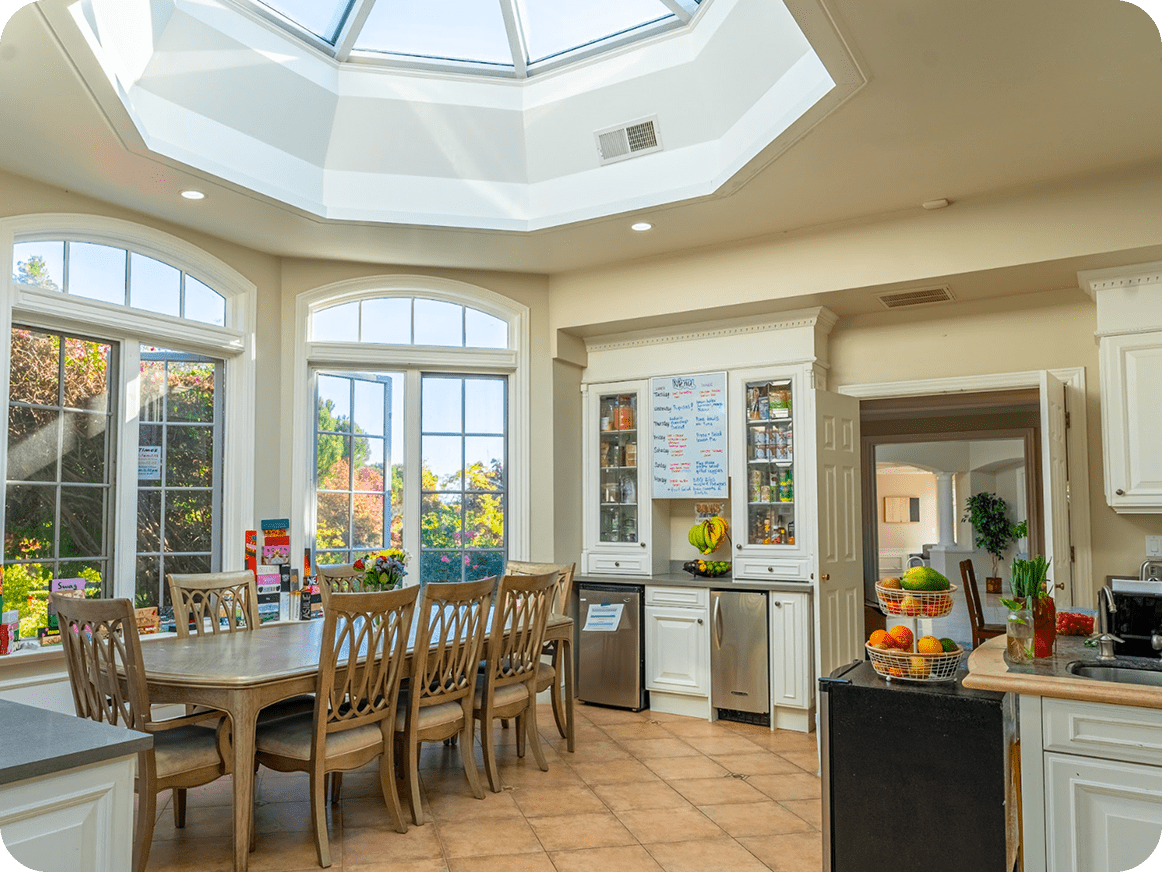
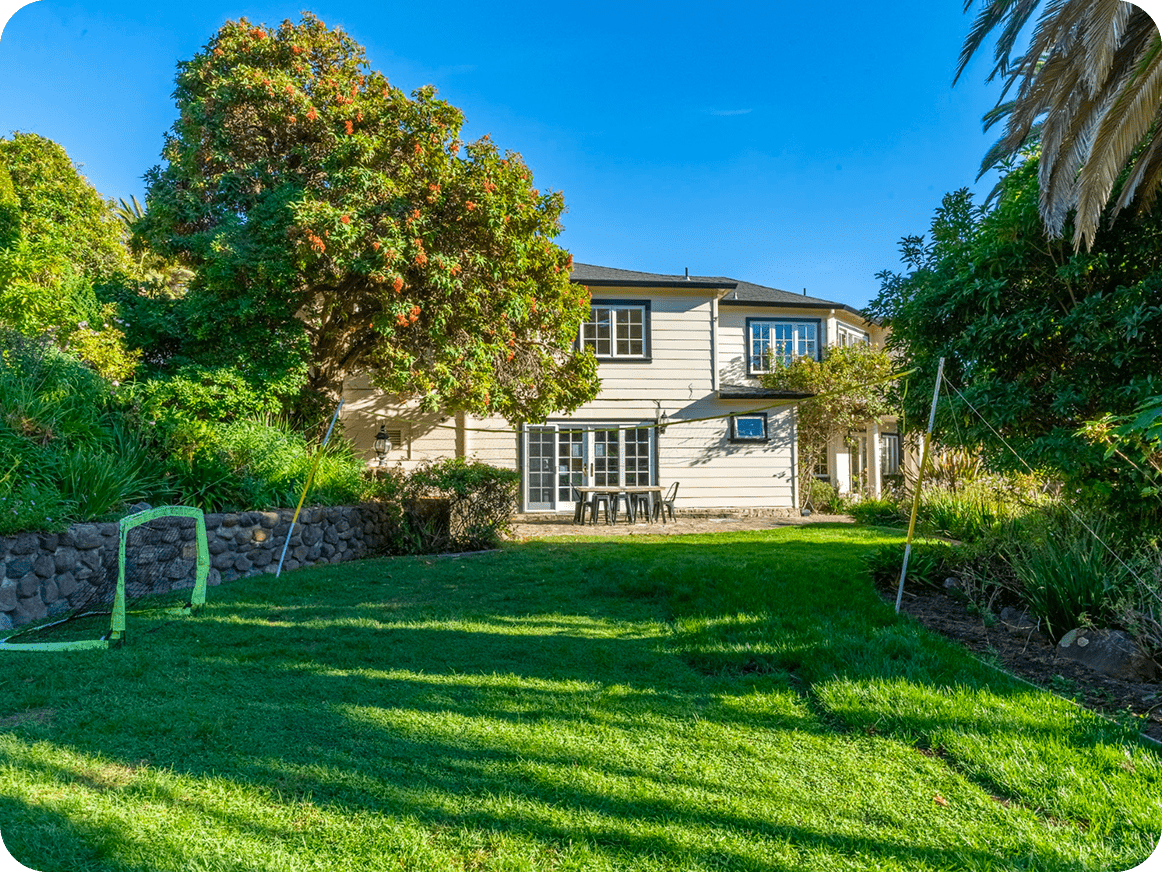
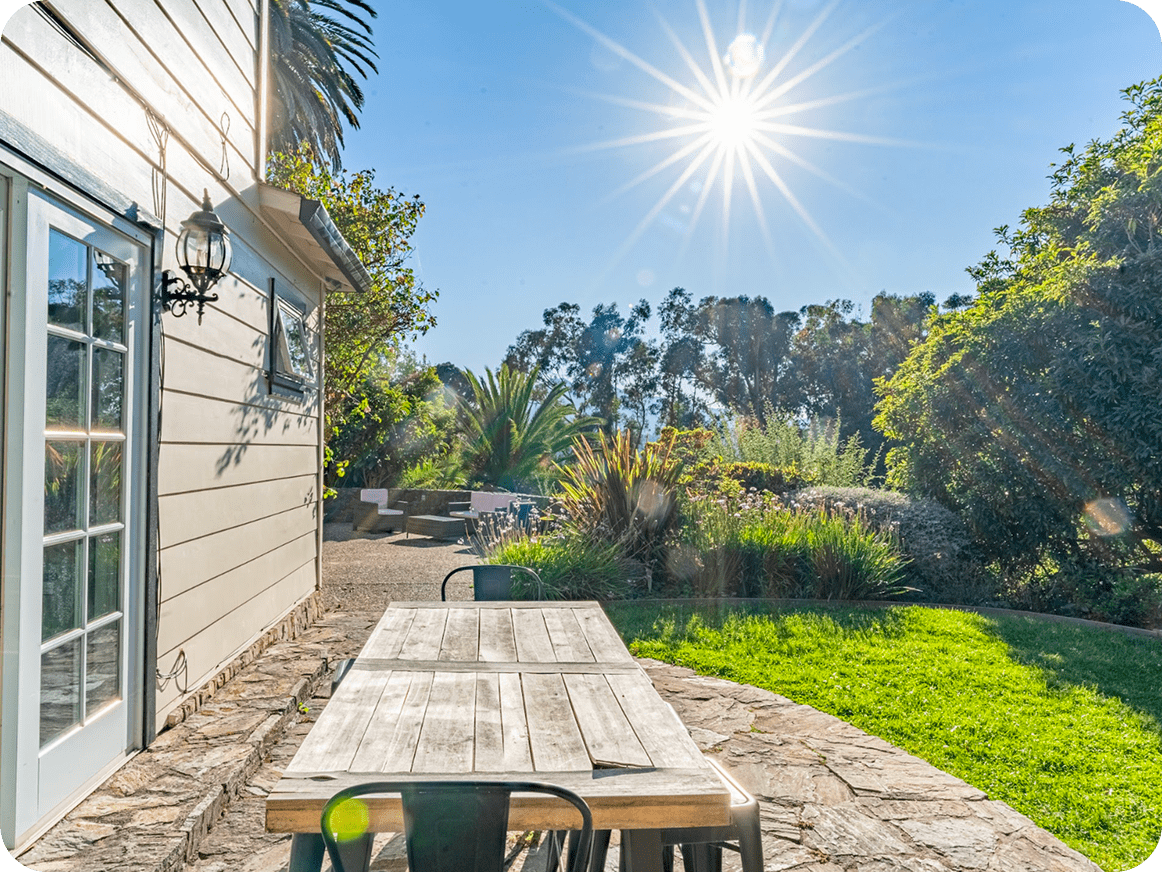
Our New Hampshire campus sits on 350 acres in Milton, with outdoor experiential programming built into the daily rhythm. As a young adult treatment center designed around structure, community, and space to reset, the environment gives emerging adults real distance from the patterns that stalled them without pulling them far from home.
For families weighing options for young adult residential treatment near Rochester, NH, the drive takes about 20 minutes, close enough that in-person family therapy and visits remain practical throughout the program.
Why Rochester Families Choose The Ridge RTC
- Close to home. Approximately 15 miles from Rochester, supporting active family involvement across the course of treatment.
- Evidence-based and trauma-informed. CBT, DBT, Motivational Interviewing, and trauma-focused approaches delivered by licensed clinicians.
- Individualized, assessment-driven care. Every treatment plan is built around the specific young adult and adjusted as their situation changes.
- Family involvement is built in. A model that treats parents as active partners in the clinical process, not observers.
- Emerging adult specialists. A clinical team focused specifically on the developmental and clinical needs of ages 18–20.
The right next step is a short conversation. Contact The Ridge RTC today.
Frequently Asked Questions
For more, visit our teen mental health treatment FAQs.
Our Milton, NH campus serves emerging adults ages 18–20. Teens ages 12–17 are served at our Maine campus.
Depression, anxiety, trauma and PTSD, suicidal ideation, self-harm, emotional dysregulation, substance use and co-occurring diagnoses, and transition or “failure to launch” challenges.
Yes. Contact our admissions team to verify your benefits and begin the process. Please note that we do not accept MaineCare, Medicaid, or Medicare.
The Ridge RTC New Hampshire (Emerging Adult Program)
619 Governors Rd,
Milton, NH 03851
We’re Available 24 Hours, 7 Days a Week
If you have any questions about the Ridge RTC’s LGBTQ treatment centers or are looking for more information, we’re here to help! Please feel free to contact us online or via email if you have any questions. We’re here to help you make an informed decision that is best for your family.