


Equine Therapy for Teens at The Ridge RTC
Equine therapy for teens at The Ridge RTC is a structured clinical component of our residential treatment program, not an optional activity or supplemental perk. Our Equine-Assisted Psychotherapy (EAP) program pairs licensed mental health professionals with certified equine specialists to create therapeutic experiences that address what talk therapy alone sometimes cannot reach: trust deficits, emotional barriers, and the nonverbal patterns that shape how teens relate to themselves and others.
Contact our admissions team to learn how equine therapy fits into our residential program.
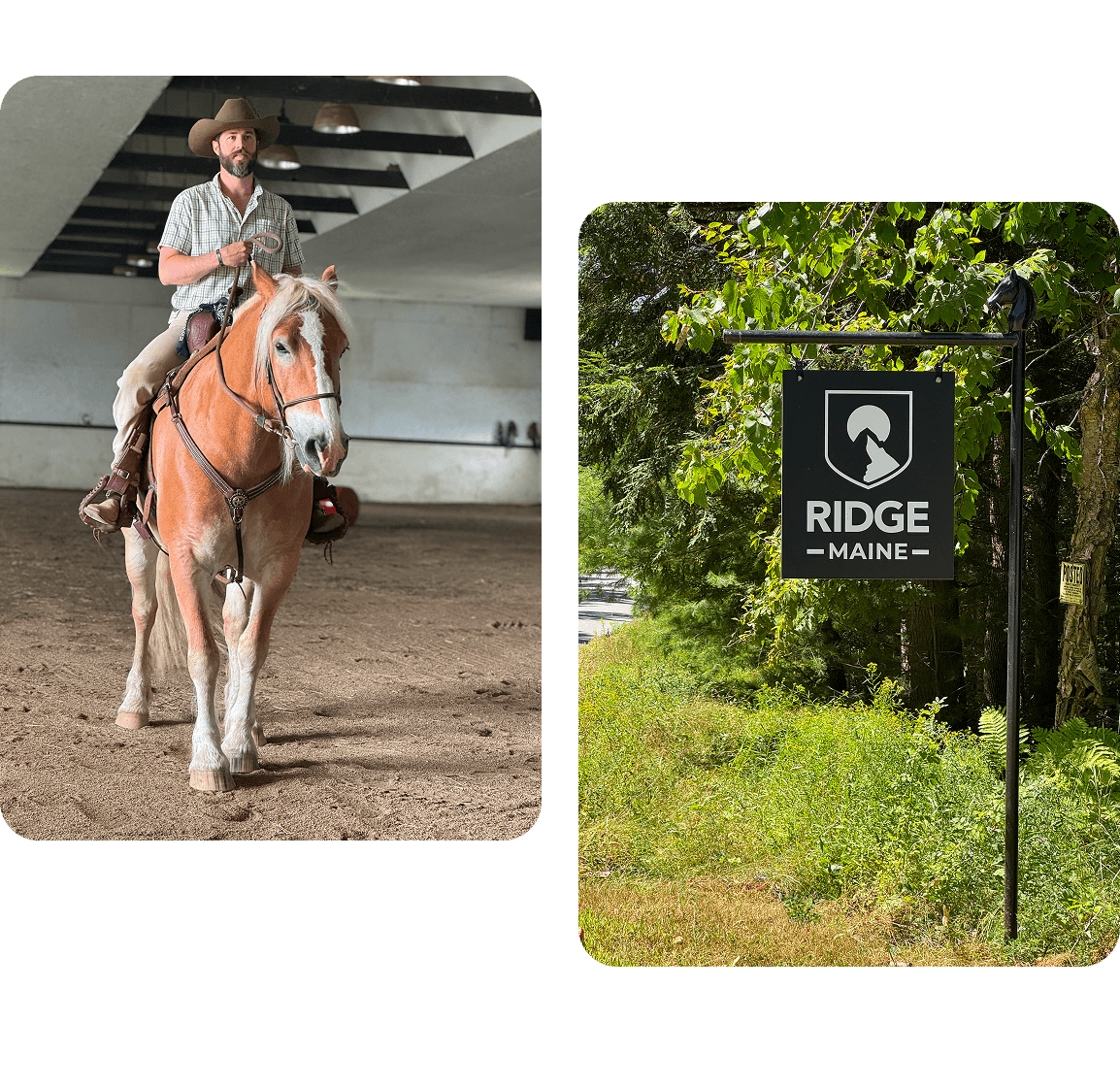
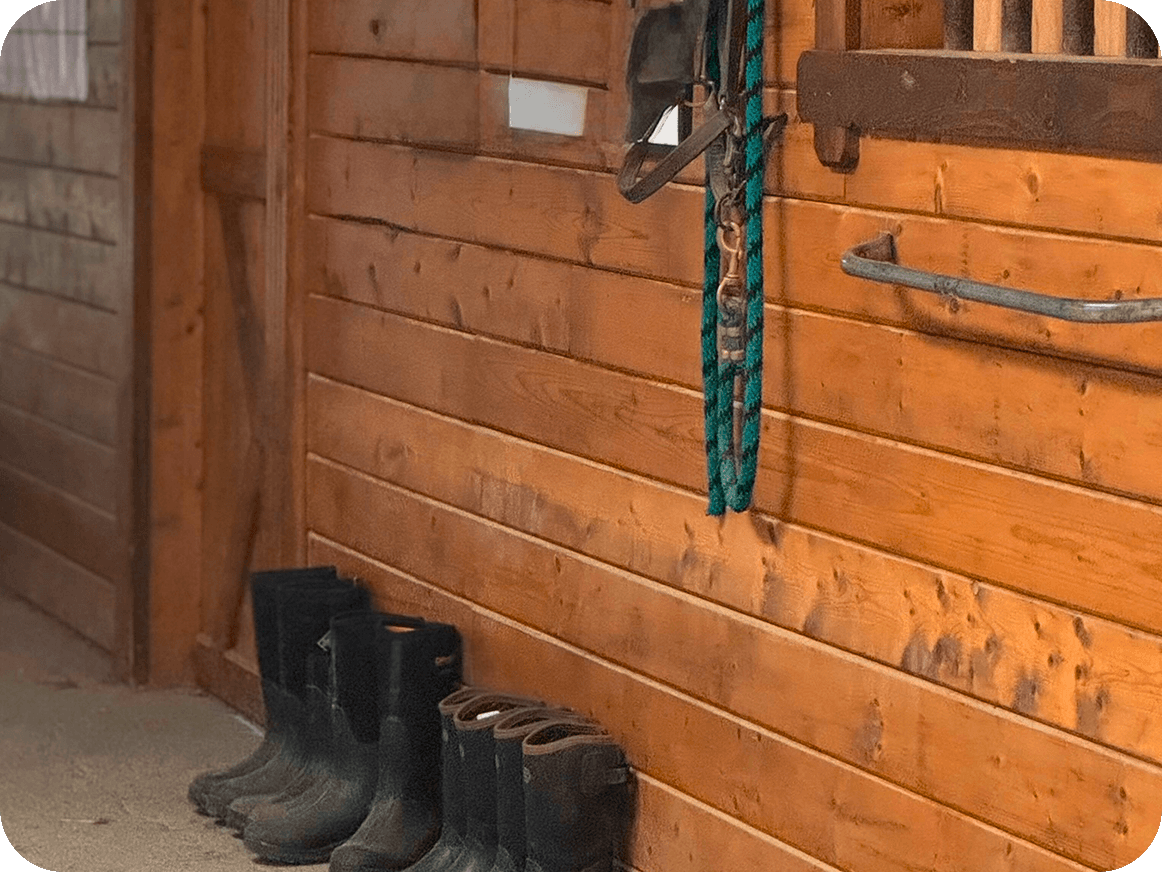
Why Equine Therapy for Teens Works: The Science Behind the Approach
Horses have an exceptional ability to sense and respond to human emotional states, offering teens immediate, honest feedback without judgment. This authenticity helps break down barriers, allowing young people to engage more openly with their own emotions and reactions.
Research from Purdue University’s College of Veterinary Medicine documents the role of equine-assisted psychotherapy in building adolescent resilience in teens navigating trauma and emotional dysregulation. A 2022 study in Child and Adolescent Psychiatry and Mental Health examining therapeutic horseback riding with adolescents in residential care found that the relationship with the horse and the riding process itself were the primary mechanisms driving psychological, behavioral, and relational benefits.
The Ridge does not offer EAP as a standalone treatment. It is one component of a clinically intensive program that includes individual therapy, group therapy, family work, and psychiatric support.
Equine Therapy for Mental Health: Anxiety, Depression, and Trauma
Equine therapy for mental health outcomes has gained increasing clinical attention, particularly in the areas of anxiety, depression, and trauma: three of the most common reasons teens enter residential treatment.
For teens with anxiety, horses offer a non-threatening, externally focused environment that reduces the internal pressure of traditional therapeutic settings. Regulating one’s own emotional state in order to engage effectively with a horse provides real-time practice in the core skills that equine therapy for teen anxiety targets: present-moment awareness, self-regulation, and emotional attunement. The National Institute of Mental Health identifies anxiety disorders as among the most prevalent mental health conditions in adolescents, making accessible, evidence-informed treatment modalities especially important.
For teens processing trauma, the non-verbal and relational nature of equine work carries distinct clinical value. Trauma often lives in the body and in relational patterns, not only in conscious memory, and the horse provides a unique therapeutic mirror for both. Equine-assisted approaches align with trauma-informed principles of safety, gradual exposure, and relational repair in a low-pressure context. Learn more about our approach to trauma and PTSD treatment for teens.
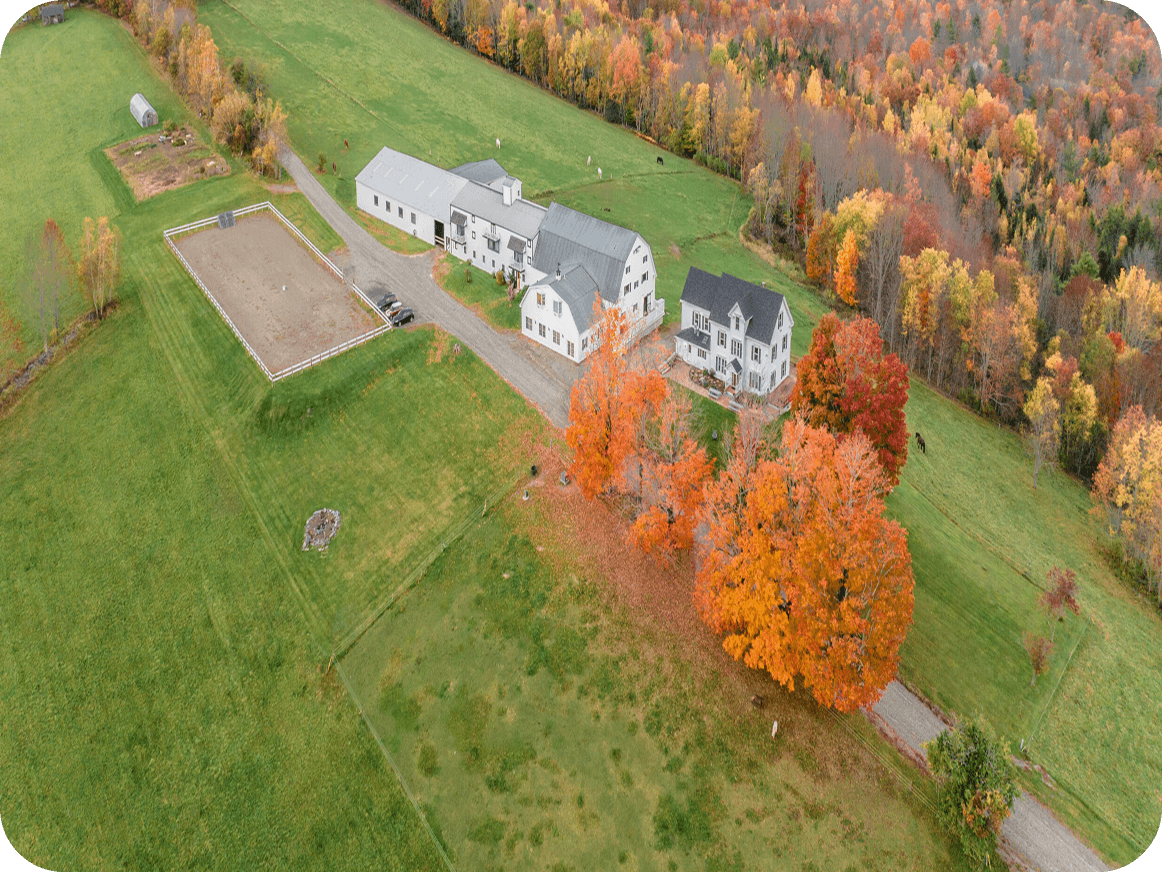
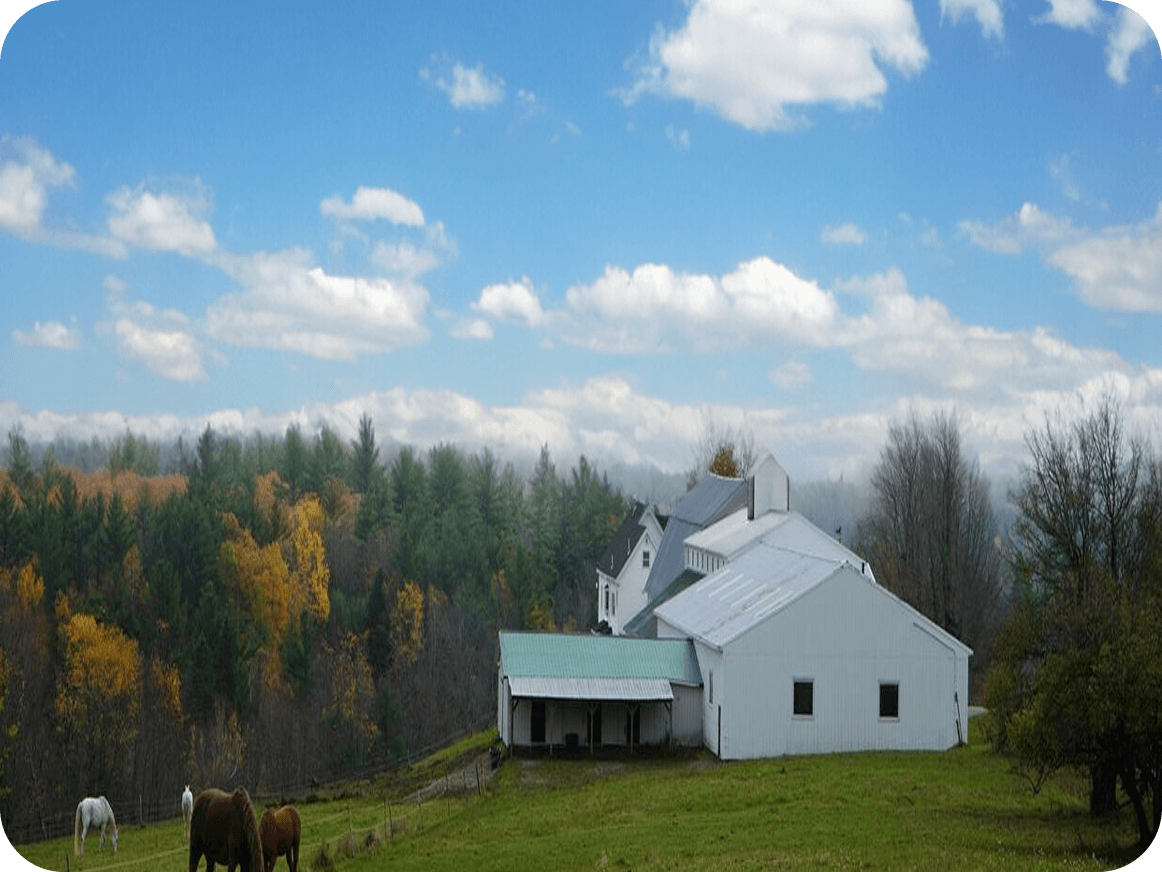
Our Clinical Framework: Natural Lifemanship and PATH International
The Ridge RTC’s EAP program is grounded in two established professional frameworks.
The Natural Lifemanship model is a trauma-informed, relationship-focused approach that emphasizes the neurological and relational dimensions of equine-assisted therapy. It treats the quality of the human-horse relationship as the core driver of therapeutic change, making it well-suited to teens who have experienced disrupted attachment or relational trauma.
As a PATH International Operating Center, The Ridge delivers Equine-Assisted Activities through PATH-certified professionals, including a Certified Therapeutic Riding Instructor (CTRI) and an Equine Specialist in Mental Health and Learning (ESMHL). PATH International is the leading credentialing body for therapeutic horsemanship. Alongside organizations like EAGALA, which sets standards for ground-based equine-assisted psychotherapy, PATH defines the professional benchmarks the field holds itself to.
Our staff guides teens in understanding their experiences with the horses and applying those insights to relationships and challenges outside the arena.
A Hands-On Approach to Emotional Growth
Our EAP program combines both individual and group experiences. One-on-one sessions allow teens to address personal challenges at their own pace, building connection and self-efficacy. Group sessions develop teamwork, communication, and leadership skills through shared work with the horses.
The experiential therapy component goes well beyond grooming and riding. Teens engage in purposeful activities that build responsibility, focus, and follow-through. Caring for the horses, reading their nonverbal cues, and participating in structured exercises contribute to a deeper understanding of personal limits, respect for others, and emotional balance. The physical nature of equine work also provides an active, hands-on outlet for managing energy and difficult emotions.
Beyond Horses: Animal-Assisted Therapy at The Ridge
While horses are central to our EAP program, The Ridge RTC integrates other animals into the broader therapeutic model. Some teens find meaningful connection with therapy dogs; others experience breakthroughs through time with our horses.
Through these varied animal interactions, teens develop practical life skills, emotional resilience, and a greater capacity for empathy and self-awareness.
Frequently Asked Questions About Equine-Assisted Psychotherapy
Equine-Assisted Psychotherapy (EAP) is a therapeutic approach involving structured, goal-oriented interaction between teens and horses, facilitated by licensed mental health professionals and certified equine specialists. At The Ridge RTC, teens participate in activities like grooming, leading, and caring for horses. These experiences help build connection, increase emotional awareness, and develop skills such as patience, empathy, and self-regulation. Horses’ sensitivity to human emotions creates honest, non-judgmental feedback that often allows teens to engage more authentically in the therapeutic process.
Residential equine therapy for teens offers something outpatient settings cannot: therapeutic work embedded in the daily structure of a teen’s environment. At The Ridge, equine sessions are integrated alongside our full clinical program. The relational skills developed in the arena are reinforced throughout the rest of treatment. For adolescents who find traditional talk therapy difficult to engage with, the experiential nature of equine work can open doors that other modalities have not.
Yes. Every session at The Ridge RTC is closely monitored by certified specialists and therapists trained in trauma-informed care. Activities are designed to be empowering rather than threatening, allowing teens to build confidence and emotional tolerance at their own pace. The responsive nature of horses can be grounding for teens with anxiety, though individual experience varies, and the clinical team assesses readiness for each teen individually.
Horses are highly attuned to the emotional states of those around them. Through guided interaction, teens learn to notice and manage what they bring into the space. When a teen approaches a horse while anxious or frustrated, the horse’s response reflects those emotions, creating an immediate, concrete opportunity for self-awareness. Over time, these experiences can strengthen emotion regulation skills with application well beyond the arena.
In addition to equine-assisted psychotherapy, The Ridge integrates therapy dogs and other animals into the therapeutic model. Different animals resonate with different teens, and this variety allows for additional pathways to connection and emotional engagement. All animal-assisted experiences at The Ridge are clinically intentional and supervised.
Contact Us
Learn More About Equine Therapy at The Ridge RTC
At The Ridge RTC, equine therapy for mental health is one thread in a broader clinical approach. If you’re looking for a residential treatment program that integrates experiential work with evidence-based care, reach out to learn whether The Ridge is the right fit for your teen.