


 January 15, 2026
 Reading Time: 6m
 Written By: The Ridge RTC
 Reviewed By: The Ridge Leadership Team
When teenage relationships feel like emotional rollercoasters, it is easy to dismiss the behavior as typical teen drama. At The Ridge RTC, we see when those patterns point to a deeper problem. Identifying BPD in teenage relationships can change how we support young people and their families.
The teen years involve big emotional shifts, and many are finding their identity. Some ups and downs are normal. When mood swings and relationship problems are extreme, persistent, or harmful, we ask whether these are part of typical development or signs of emerging BPD.
Why Does Early Identification of BPD Traits Matter?
Identifying BPD traits early reduces the risk of long-term harm. Adolescence is a time when youth are developing their own identity. They are also discovering the coping skills that work for them, which can affect relationship patterns. When teens struggle with emotional dysregulation, fear of abandonment, or impulsivity, those patterns can become habits without support.
Early help does not mean labeling a behavior and ending it there. It means giving them skills to manage emotions and relationships effectively. Research shows early intervention lowers psychiatric risk and improves emotional control over time.
What Are the Key Signs of BPD in Adolescence?
Spotting BPD traits in teens is challenging because many signs overlap with normal behavior. The difference is intensity. Look at how long the symptoms last, and how much they disrupt daily life. Warning signs of BPD in adolescence may include:
- Intense, unstable relationships
- Rapid, extreme emotional swings
- Strong fear of abandonment, even in minor situations
- Impulsive, risky actions such as unsafe sex, reckless spending, or running away
- Distorted self-image or identity confusion
- Chronic feelings of emptiness or boredom
- Explosive anger or difficulty regulating emotions
- Self-harm behaviors or suicidal thoughts
These behaviors go beyond routine teenage moodiness. Teens with emerging BPD can swing from idealizing someone to cutting them off over a small disagreement.

How Does Emotional Instability Impact Teen Relationships?
Emotional dysregulation is central to BPD. Feelings are suddenly amplified and hard to control. A teen may be calm one moment and devastated the next. This is especially true if they perceive rejection, criticism, or a simple misunderstanding.
So, how does BPD have an impact on teenage social life? In relationships, this can show up as splitting. People are seen as all good or all bad. A best friend can become an enemy overnight. This response comes from overwhelming fear and anxiety rather than from calculated intent.
Impulsivity also affects relationships. Teens might ghost friends, take risks, or make abrupt choices to escape emotional pain or avoid perceived rejection. These actions create chaos and unpredictability for everyone.
How Does BPD Affect Relationships with Friends, Family, and Partners?
BPD traits make relationships feel volatile and exhausting. Teens may form intense attachments quickly, then withdraw or react sharply when feeling hurt. Some unique signs of BPD in adolescence when it comes to these relationships might include:
With Friends
- Frequent fights over small misunderstandings
- Intense jealousy or possessiveness
- Quick feelings of betrayal or abandonment
With Family
- Hypersensitivity to perceived criticism
- Explosive arguments or emotional outbursts
- Withdrawal or silent treatment after conflict
Some teens isolate themselves because relationships feel too risky. Recent studies show adolescents with BPD traits face more interpersonal conflict and greater vulnerability to bullying or manipulation. Expression of these traits can vary by gender. Boys may show anger and aggression more often, while girls may show self-harm, disordered eating, or depression.
What Risky Behaviors Should Parents and Caregivers Watch For?
Alongside emotional and relational signs, certain behaviors suggest urgent needs for professional support:
- Self-harming behaviors such as cutting or burning
- Suicidal thoughts, threats, or attempts
- Risky sexual activity or multiple partners
- Substance use to cope with emotions
- Reckless actions after conflicts, such as running away or dangerous driving
These acts are often attempts to manage unbearable feelings or to prevent perceived abandonment. Persistent or escalating behaviors may signal the need for professional help.
How Can Parents and Caregivers Provide Support?
How you respond to situations can help your teen. It can calm or escalate a teen’s emotional state. Teens with BPD traits often feel misunderstood or rejected, so our approach matters.
Practical ways to help when it comes to understanding how BPD affects relationships include:
- Validate feelings. Acknowledge emotions even when you disagree. For example, say, “I see you are really upset right now.”
- Set consistent boundaries. Be firm and compassionate. Predictability helps teens feel safer.
- Model emotional regulation. Show how to pause, breathe, and respond calmly during stress.
- Avoid dismissive language. Do not label reactions as “dramatic.”
- Learn about BPD traits. Trusted resources, such as the National Education Alliance for BPD, offer useful guidance.
When to Seek Professional Support
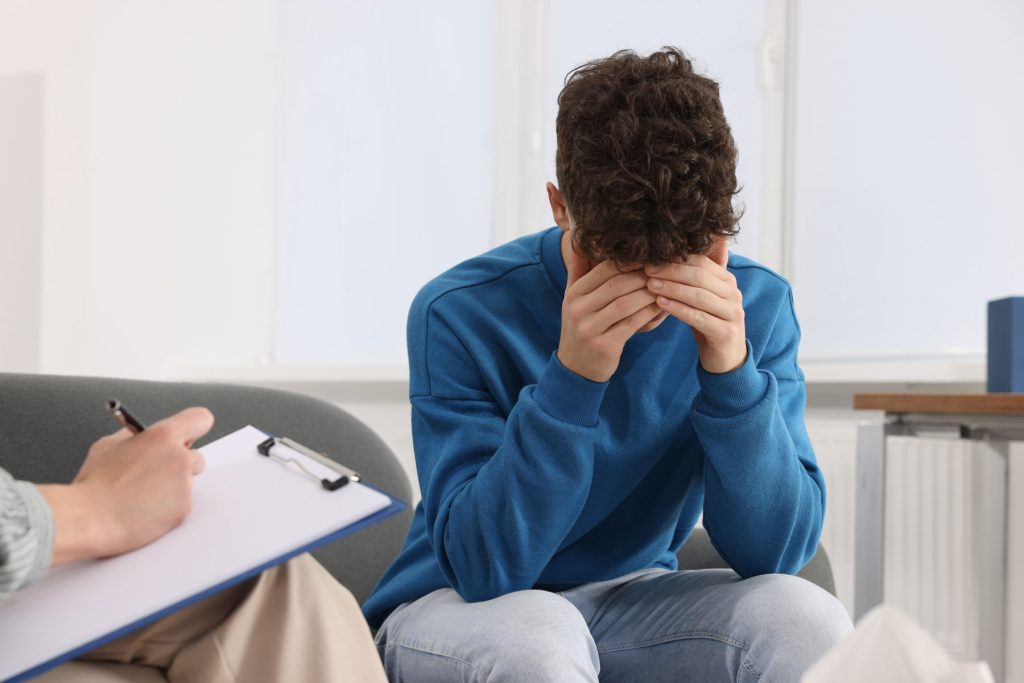
If a teen’s mood swings, unstable relationships, or risky behaviors persist or worsen, seek help from a qualified professional. A clinician trained in adolescent development can assess symptoms and recommend treatment.
A clinical evaluation typically includes:
- Interviews with the teen and caregivers
- Review of developmental, medical, and family history
- Behavioral observations across settings
- Screening for co-occurring mental health conditions
The purpose is to understand the patterns driving behavior so we can build an effective treatment plan. Specialized programs combine trauma-informed, evidence-based care with practical skills training. Approaches we use often include dialectical behavior therapy, family systems therapy, and emotional regulation coaching. With targeted treatment, many teens make measurable gains in emotional stability and relationship skills.
Frequently Asked Questions About Identifying BPD in Teenage Relationships
What signs in teenage relationships might indicate Borderline Personality Disorder (BPD)?
Signs include intense and unstable relationships, rapid emotional swings, and a strong fear of abandonment. Other markers are impulsive actions, identity confusion, and chronic emptiness. Persistent disruptive behaviors beyond typical moodiness may indicate BPD.
How does emotional instability affect teenagers in relationships?
Emotional instability leads to amplified and hard-to-control feelings. Teens may experience extreme mood shifts and splitting, which can cause chaos in relationships through impulsive behavior or sensitivity to perceived criticism.
What can parents and caregivers do to support teens showing BPD traits?
Parents can validate feelings, set consistent boundaries, model calm responses, and avoid dismissive labels. Education and offering steady support are key.
When should professional support be sought for a teen with possible BPD?
Seek professional help if emotional swings, unstable relationships, or risky behaviors are persistent or worsening. A clinician can assess and design an appropriate plan.
Can BPD traits in teenagers be treated successfully?
Yes. Early intervention and evidence-based treatments like DBT help many teens improve emotional regulation and relationship functioning.
Final Thoughts
At The Ridge RTC, we approach these behaviors with care. Identifying BPD in teenage relationships early allows us to provide timely support and teach skills that make relationships safer and more stable. If you are worried about your teen, reach out for a professional evaluation. With focused care and family involvement, teens can move toward steadier emotions and healthier connections.