


 December 23, 2025
 Reading Time: 7m
 Written By: The Ridge RTC
 Reviewed By: The Ridge Team
Living with someone with BPD can feel intense in ways that are hard to explain to people outside the home. When a parent or sibling struggles with Borderline Personality Disorder, emotions often run high, reactions can feel unpredictable, and conflict may show up suddenly, even on otherwise calm days.
Many teens in these families feel confused, stressed, or constantly on edge. They may wonder if they’re overreacting or if they should be handling things better. It’s important to say this clearly: none of this is your fault. Growing up around emotional instability is difficult, and teens deserve support, understanding, and space to feel safe.
Key Takeaways
- Living with someone with BPD affects how safe and predictable the home feels for teens.
- Family stress often builds over time and influences communication and roles within the home.
- Teens may minimize their own needs to keep the peace.
- Coping skills and boundaries help teens handle stress, difficult feelings, and situations at home.
- Support outside the family is important in certain cases and should be looked into when needed.
Quick Read
Living with someone with BPD can make the home feel unpredictable for teens. Emotional reactions may shift quickly, and conflict can dominate daily life. Over time, many teens learn to stay hyper-alert, suppress their own feelings, or take on caregiving roles beyond their years. Support, clear boundaries, and healthy coping strategies can help teens maintain their sense of self while navigating these complex family dynamics.
What It’s Like Living With Someone With BPD
Living with someone with BPD often means living in a heightened emotional environment. Small moments can feel big. Neutral comments can be taken personally. Disagreements can escalate quickly, or conversations may shut down without warning.
Teens often become hyper-aware of moods and reactions. They replay conversations. They adjust their words. They wait for the “right” moment to speak (if that moment ever comes).
Emotional intensity and difficulty regulating emotions and reactions are core features of BPD. That helps explain why family interactions can feel unpredictable even when everyone involved is trying their best. The challenge isn’t effort. It’s the disorder’s impact on emotional regulation. When this becomes the norm, home may stop feeling like a place to relax and start feeling like a place to stay alert.
The Impact of BPD on Family Systems
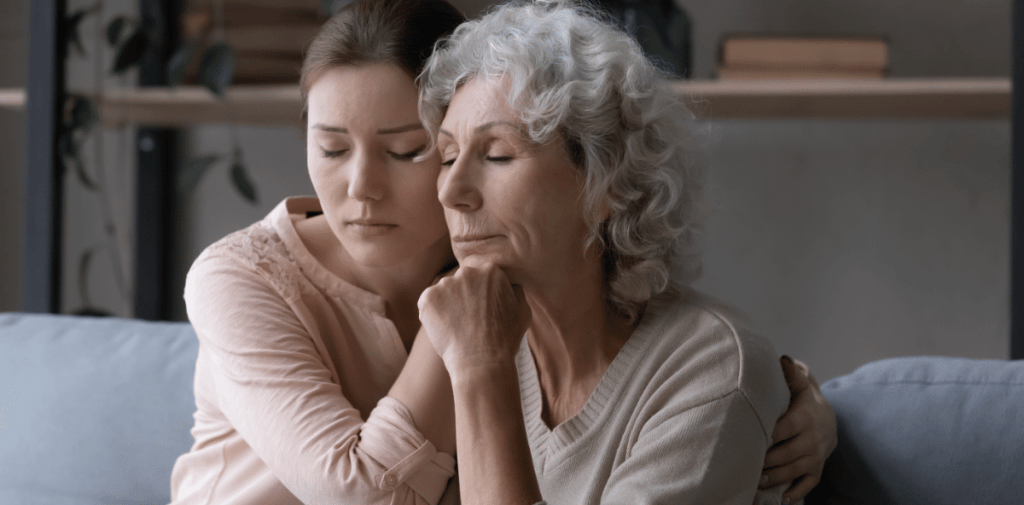
The impact of BPD on family systems is often gradual but far-reaching. It affects how people communicate, how safe they feel expressing emotions, and how roles form within the household.
Families and individual members often experience stress as they adapt to emotional unpredictability. That stress can shape how teens see themselves and their role in the family. Comprehending the impact of BPD on family thus helps explain why so many teens feel exhausted, even when nothing specific is “wrong” in the moment.
BPD and Family Dynamics
BPD and family dynamics are shaped by patterns tied directly to symptoms, not character or intent.
One common pattern is emotional splitting, or when people are seen as all good or all bad, sometimes switching suddenly. Another is black-and-white thinking, where there’s little room for nuance or mixed emotions. Families may cycle between closeness and distance, with intense connection followed by withdrawal or anger.
Fear of abandonment can also play a major role. That fear may show up as clinginess, accusations, or emotional demands. Boundaries can feel unclear or inconsistent, changing based on emotional states rather than shared agreements.
These patterns can leave family members feeling unsure how to respond or what to expect. For teens, this uncertainty can make it difficult to trust their own judgment or emotional responses.
How Teens Are Uniquely Affected
Teen years are already a time of emotional growth, identity formation, and increasing independence. Living in a home shaped by emotional instability can interrupt that process.
Many teens begin to:
- Take responsibility for keeping the peace
- Act as mediators during conflict
- Avoid sharing feelings to prevent escalation
- Feel unsure about what healthy boundaries look like
They may tell themselves they need to be stronger, quieter, or more understanding. Research published through the NIH shows that poor family dynamics are linked to adolescent depression. In this case, when teens don’t feel safe expressing emotions, those emotions don’t disappear, but may turn inward.
Common Challenges When a Parent Has BPD
When a parent has BPD, the emotional weight can feel especially heavy because parents are meant to provide stability.
Some days, a parent may feel deeply connected and supportive. Other days, that same parent may seem distant, reactive, or overwhelmed by emotion. You might find yourself replaying conversations, wondering what you did wrong or how to avoid upsetting them next time. This kind of environment can leave teens unsure where they stand and anxious as a result of the uncertainty.
Common Challenges When a Sibling Has BPD
Having a sibling with BPD can also reshape daily life at home.
Conflicts may escalate quickly, drawing attention and energy away from everything else. You might feel overshadowed by a sibling’s emotional needs or crises. Personal space can be hard to protect, and there may be ongoing concerns about emotional or physical safety.
Coping With a BPD Family Member
Coping with a family member with BPD involves learning how to protect emotional well-being while living in a high-intensity environment.
Many teens start by paying attention to their own stress signals. Tight muscles, racing thoughts, and emotional shutdown are common signs that limits are being reached.
Helpful ways to cope better include:
- Stepping away from conversations when emotions escalate
- Using grounding techniques to calm the nervous system
- Creating predictable routines outside of family conflict
- Finding outlets for emotion through movement, writing, or creativity
- Building support with people outside the home
When Teens Should Look to Outside Support
Some situations call for support beyond the family. When emotional or physical safety feels uncertain, when teens begin taking on caregiving responsibilities, or when anxiety and stress start interfering with daily life, outside help can become part of staying safe and supported. Ongoing conflict that keeps escalating or coping strategies that stop working are also signs that more support may be needed.
More information about treatment options is available on our BPD treatment page. Details about who our care is designed for can be found here, along with additional information on our resources hub.
FAQs
How do I support a family member with BPD without losing myself?
Support works best alongside boundaries, outside help, and attention to your own mental health.
Can family therapy help?
Family therapy can reduce conflict and improve communication when participants are willing to participate.
How do I know when boundaries are necessary?
Boundaries are necessary if something consistently leaves you drained, anxious, or unsafe.
What if my family member refuses treatment?
You can still get support. Your healing does not depend on their choices.
A Few Things to Remember
Living with someone with BPD can shape how teens experience home, relationships, and their own emotions. The stress is often ongoing, not tied to one argument or one bad day. Living in this environment often leaves teens more guarded and less likely to ask for help.
Understanding what’s happening in the family can make things feel less confusing and less personal. Coping skills, boundaries, and outside support give teens ways to protect their mental health while staying connected to the people around them. With the right support, it’s possible to reduce strain and build more stability, even when family dynamics feel difficult.
Cited Sources
- Cleveland Clinic. “Borderline Personality Disorder (BPD).” Cleveland Clinic, my.clevelandclinic.org/health/diseases/9762-borderline-personality-disorder-bpd.
- Shi, Jiali, et al. “A Study on the Correlation Between Family Dynamic Factors and Depression in Adolescents.” Frontiers in Psychiatry, vol. 13, 24 Jan. 2023, doi:10.3389/fpsyt.2022.1025168. PubMed Central, pmc.ncbi.nlm.nih.gov/articles/PMC9902595/.
- Experiences of family members who have a relative diagnosed with BPD.Europe PMC, pmc.ncbi.nlm.nih.gov/articles/PMC6191659/.