


 June 15, 2026
 Reading Time: 7m
 Written By: The Ridge RTC
 Reviewed By: The Ridge Leadership Team
When your teen repeatedly rejects connection, reacts with intense anger to small frustrations, or struggles to build healthy relationships, know that you are dealing with more than typical adolescent behavior. Reactive attachment disorder residential treatment at specialized facilities like The Ridge RTC provides round-the-clock therapeutic support when outpatient care is no longer enough to manage worsening behaviors. We help adolescents with serious attachment disruptions rebuild trust and connection through evidence-based approaches developed over decades of clinical practice.
Key Takeaways
- Residential treatment can be essential for teens with severe reactive attachment disorder (RAD).
- Effective treatment includes specialized therapies and active family involvement.
- Long-term success depends on strong discharge planning and aftercare.
When Reactive Attachment Disorder Residential Treatment Becomes the Right Level of Care
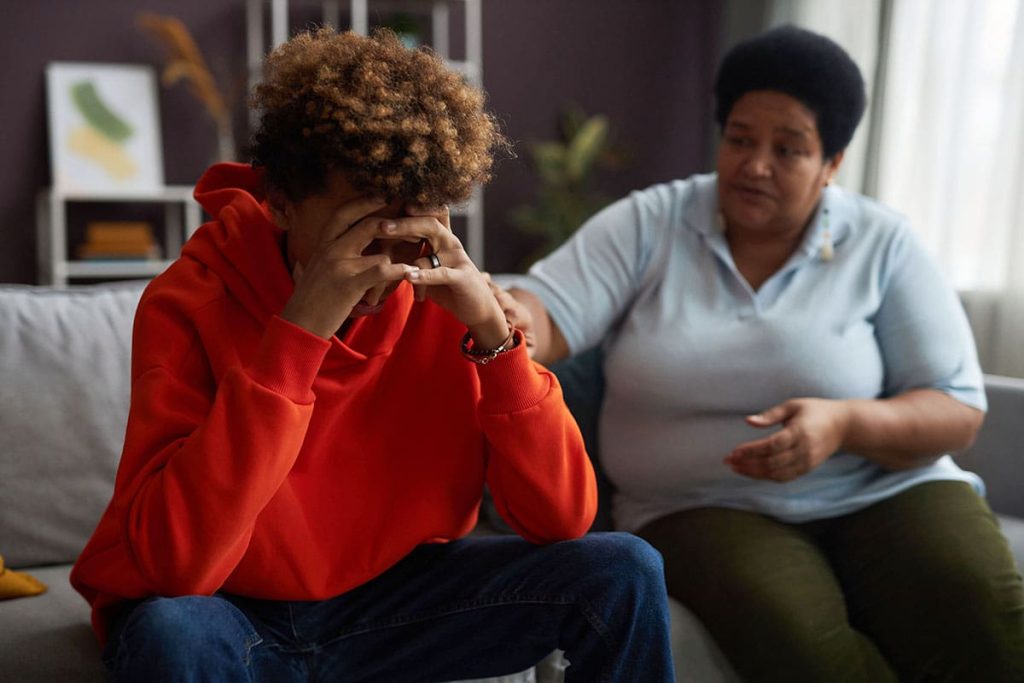
Living with a child who has reactive attachment disorder can feel like constant crisis management. You may have already tried multiple therapists, medication changes, and parenting strategies that work for other children but seem to fall flat in your family.
Safety often becomes the main concern. Your teen may be physically aggressive toward family members, engage in self-harm, run away, or use substances. When you are locking your bedroom door at night, or siblings are afraid to be alone with their brother or sister, the home environment is no longer safe enough for healing.
If you are moving from one therapist to another and hearing that they are out of their depth, or if your teen refuses to engage in weekly sessions, residential care may be the next step. For many families, outpatient treatment is not enough for severe RAD.
The impact on the whole family matters, too. Siblings may develop their own trauma responses from living in chaos. Your marriage may also begin to strain under the pressure. Treatment professionals understand that RAD can affect the entire family system.

What Residential Treatment for Reactive Attachment Disorder Actually Looks Like
Residential treatment for RAD looks different from standard psychiatric hospitalization or even a typical residential program. These specialized settings understand that RAD is not only about behavior. It is about early attachment patterns that need steady, skilled care.
The setting itself is often more home-like and less institutional. Small unit sizes, usually eight to 12 residents, help create the consistent caregiver relationships these teens need and often resist.
Staff members receive specialized training in attachment theory and trauma-informed care before working directly with residents. Daily routines provide the predictability and structure many of these children did not experience early in life.
Therapies in these programs may include Eye Movement Desensitization and Reprocessing (EMDR) and experiential options such as equine, adventure-based, and art therapies. These services support the clinical work and are part of a broader treatment plan.
Therapies Used in RAD Residential Treatment
Effective residential treatment for reactive attachment disorder uses evidence-based approaches designed for attachment disruptions. Individual therapy is central, but attachment-focused treatment looks different from traditional talk therapy.
Therapists trained in approaches like Dyadic Developmental Psychotherapy work to build trust slowly while addressing the shame and fear that often drive RAD behaviors. Standard cognitive behavioral techniques often fall short when a teen does not yet have the relational base needed for that work.
Trauma-focused cognitive behavioral therapy (TF-CBT) helps teens process early experiences that disrupted attachment formation when delivered by trained clinicians. Dialectical behavior therapy (DBT) helps with the severe emotional dysregulation that often comes with RAD. Its skill-based structure can be helpful for teens who struggle with abstract ideas.
Family therapy remains essential during residential treatment. Many programs use approaches such as Attachment-Based Family Therapy. Sessions often include education about attachment neuroscience along with practical communication tools.
The Role of Family in Residential Care for RAD
Your involvement remains important throughout residential treatment. Strong programs shape family participation around attachment science, not convenience.
Many teens with RAD are deeply stuck in harmful patterns with primary caregivers. In those cases, real progress can stall when they are together without support. Residential treatment provides a neutral setting for healing work.
Parent education often includes specialized attachment-focused training. Many parents discover that they have been responding in ways that unintentionally reinforce insecure attachment patterns, even when their intentions are good.
Structured therapeutic contact helps maintain connection while giving the teen professional support. A strong program may begin with stabilization and limited contact, then move to supervised phone calls, video sessions, and therapeutic visits.
How Long Does Treatment Take?
Treatment length at reactive attachment disorder treatment facilities varies. Many programs estimate 3 to 9 months for meaningful attachment work.
Active treatment phases depend on several factors. Trauma severity, age at disruption, and co-occurring conditions can all affect treatment time.
Discharge readiness depends on clear clinical benchmarks. Programs may use assessment tools such as the Randolph Attachment Disorder Questionnaire to track progress.
What to Look for in a RAD Treatment Center
When you compare programs, you need signs of real attachment-focused expertise. Staff training should include a strong grounding in attachment theory and specialized RAD interventions.
Examine the program’s therapeutic philosophy closely. Effective RAD treatment sees behaviors as symptoms of disrupted attachment, not as problems that should be punished.
Family involvement approaches also tell you a lot about program quality. Evidence-based programs treat parents as essential partners who need support and education.
After Discharge: Step-Down and Continuing Care
Residential treatment is an intensive part of a longer healing process. To protect progress, you need strong continuing care through step-down options such as therapeutic boarding schools or intensive outpatient programs.
In-home therapeutic services bring clinical support into the family setting. Teens with strong step-down plans tend to maintain gains at higher rates.
Long-term therapy remains important, and the provider should have real experience with attachment work. A good program will also provide a clear transition plan, including therapist recommendations.
The path through reactive attachment disorder residential treatment can be hard on every member of the family. Specialized programs staffed by attachment-focused professionals can offer real hope when outpatient care is no longer enough. With intensive treatment in a structured environment, these facilities help teens with RAD build emotional foundations they may have missed early in life. At The Ridge RTC, we understand this work and remain committed to supporting families through each stage of treatment.
Frequently Asked Questions
Does residential treatment cure reactive attachment disorder?
No, RAD is a chronic condition. Residential treatment can lead to major improvements in safety, emotional regulation, family functioning, and relationship capacity. Continued outpatient care and family involvement after discharge are essential to maintain progress.
How long does residential treatment for RAD last?
Most programs last 3 to 9 months. More complex cases may take longer. Length depends on symptom severity, co-occurring conditions, family engagement, and how ready the home environment is for discharge.
What’s the difference between a residential treatment center and therapeutic boarding school?
Residential treatment centers are licensed mental health facilities with intensive clinical programming. Therapeutic boarding schools are educational programs with therapeutic support, usually at a lower clinical intensity. RTCs fit when clinical needs are primary. Therapeutic boarding schools may work as a step-down option.
Is residential treatment covered by insurance?
Many programs work with insurance, though coverage varies. Admissions teams can verify benefits before admission and help families understand expected costs and authorization steps.
Final Thoughts
Healing through reactive attachment disorder residential treatment takes commitment, patience, and the right support. Facilities like The Ridge RTC provide focused care for the needs of each teen and family, with a structured therapeutic setting and careful discharge planning. When outpatient care has reached its limit and safety is at risk, specialized residential treatment can provide real hope for a healthier future.
Sources
- National Library of Medicine. “Trauma-Focused Cognitive Behavioral Therapy for Traumatized Children and Families.” https://pmc.ncbi.nlm.nih.gov/articles/PMC4476061/
- National Library of Medicine. “Chapter 3 Understanding the Impact of Trauma.” https://www.ncbi.nlm.nih.gov/sites/books/NBK207191/
- National Library of Medicine. “Keeping families engaged: the effects of home-based family therapy enhanced with experiential activities.” https://pmc.ncbi.nlm.nih.gov/articles/PMC2792997/