


Teen Mental Health Treatment Near Winslow, ME
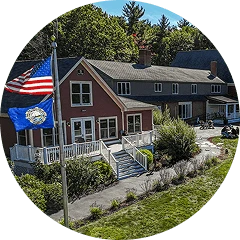
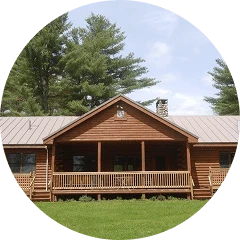
The Ridge RTC is roughly 25 minutes from Winslow, located at our Lakehouse campus in South China, ME. For Central Maine families looking for teen mental health treatment, proximity is meaningful because residential care is close enough that family can remain involved, and the move into treatment doesn’t require leaving the region.
This is structured 24/7 clinical care, a real step beyond weekly outpatient sessions, and it’s the level of care many families find they need.
Residential Treatment for Teens Near Winslow, Maine
Residential treatment is fundamentally different from outpatient therapy in both scope and intensity. Rather than weekly appointments, teens live on campus and receive clinical care, structure, and support around the clock. This includes individual therapy, group sessions, psychiatric services as indicated, and steady daily routines designed to make the therapeutic work possible.
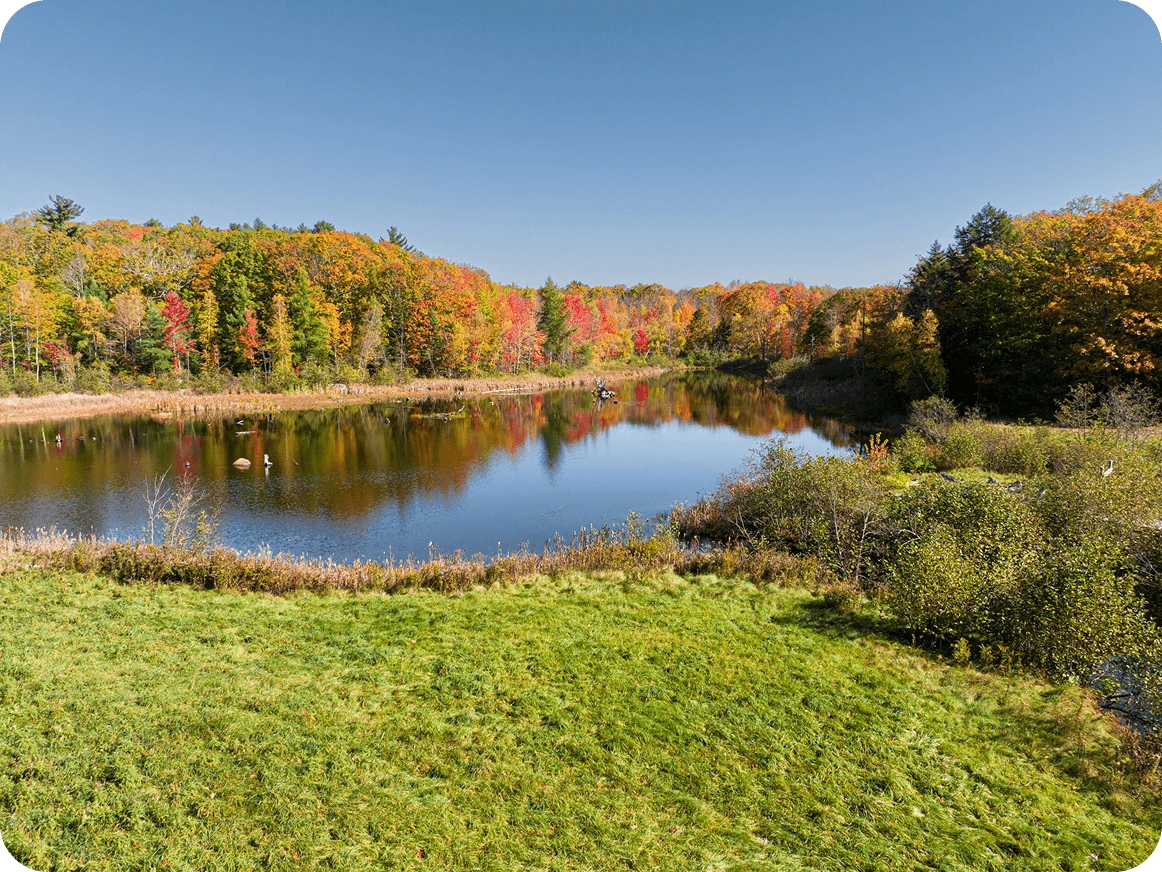
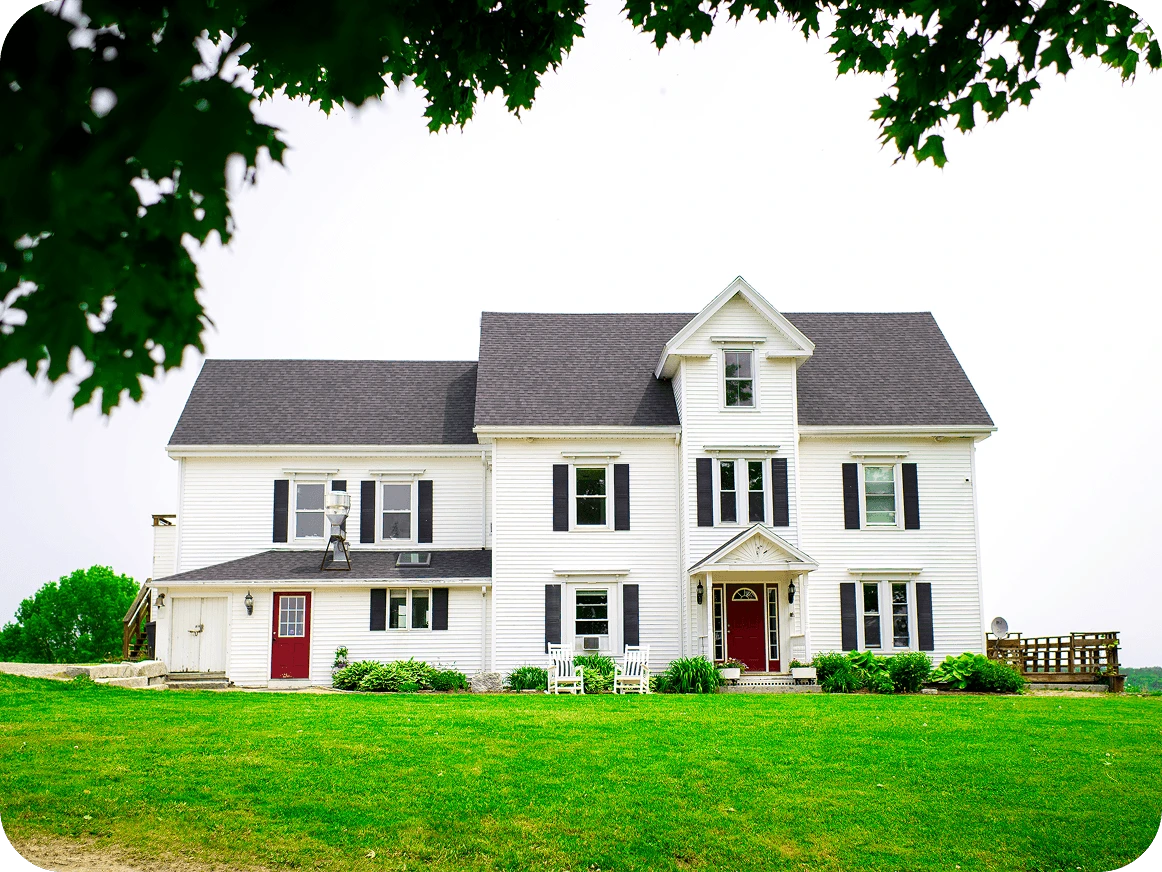
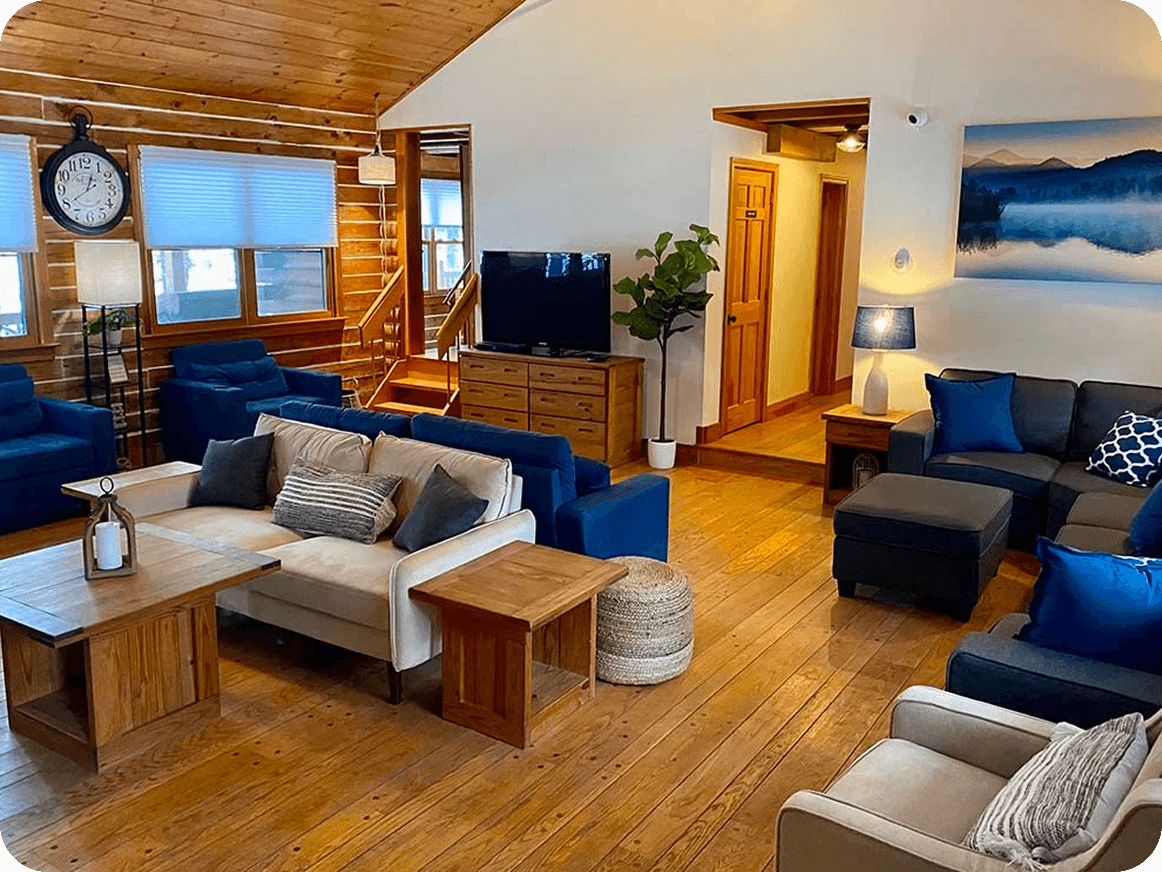
Our Lakehouse campus sits on a lake in South China and is set up to feel home-like rather than institutional. Here, there’s lower sensory load and predictable rhythms that make a real difference in how quickly teens settle in and can engage in treatment.
We accept ages 12-17 at our Maine campus. Emerging adults ages 18-20 are welcome at our Emerging Adult Program at the New Hampshire campus, which offers programming tailored to that stage. For families who’ve already tried outpatient therapy without lasting results, residential treatment for teens near Winslow, Maine, is often the appropriate next level of care. The 25-minute drive keeps family therapy, scheduled visits, and transition planning practical.
What We Treat
If any of the following describe what your teen is going through, we can help:
- Teen depression, including persistent symptoms and major depressive episodes
- Anxiety disorders, including generalized anxiety, social anxiety, and panic
- Trauma and PTSD, including complex trauma
- Suicidal ideation and self-harm
- Difficulty with emotional regulation
- Co-occurring conditions, including substance use alongside primary mental health diagnoses
When Your Teen Needs More Than Outpatient Care
Teen depression treatment and teen anxiety treatment, for example, usually begin at the outpatient level. That’s sufficient for some, but for others, the symptoms hold steady or worsen even with consistent appointments.
A few signs that residential-level care may be the right next step:
- Symptoms persisting or worsening despite outpatient therapy and medication
- School refusal or significant academic decline
- Withdrawal from friends, family, and activities they used to care about
- Self-harm, suicidal statements, or expressions of hopelessness
- Sleep, appetite, or energy severely disrupted over weeks or longer
Outpatient therapy works on a schedule. One hour, once a week, with six and a half days in between where the teen is back in whatever environment contributed to the problem. For teens whose symptoms have hardened past what that pace can address, residential treatment changes the equation. Clinical contact happens daily, the environment itself is part of the treatment, and family therapy is built into the calendar instead of squeezed around it. Our adolescent residential program in Central Maine is the option for families who’ve reached that point.
Our Approach to Teen Mental Health Treatment
Our clinical model is evidence-based and individualized, so every treatment regimen is customized based on the diagnostic workup and evaluation we complete during admission. That said, here are a few therapeutic modalities we employ as part of our treatment approach:
- Cognitive behavioral therapy (CBT)
- Dialectical behavior therapy (DBT)
- Trauma-informed and trauma-focused care
- Weekly family therapy and structured family engagement
- Accredited academic instruction so teens don’t fall behind during their stay
Family involvement is a part of this process as well. Weekly family therapy, regular communication, and structured visits are built into the program because what a teen learns here only holds when the family system shifts alongside them. The Lakehouse setting in South China supports the work itself, too, with nature-integrated care and steady routines that help with regulation.
Learn more about our residential treatment approach.
Frequently Asked Questions
For more, visit our teen mental health treatment FAQs.
About 20 miles, or roughly a 25-minute drive south to our Lakehouse campus in South China.
The clearest indicator is when symptoms persist despite outpatient care and are meaningfully interfering with daily life.
Ages 12-17 at our Maine campuses. Emerging adults ages 18-20 are welcome at our Emerging Adult Program at the New Hampshire campus.
Many plans do, and we work with families to verify coverage. We do not, however, accept MaineCare, Medicaid or Medicare plans at this time. You can speak with an admissions coordinator if you need additional assistance, or take a look at our insurance page.
For more answers, take a look at our Teen Treatment FAQs.
Ready to Talk?
Serene teen mental health treatment near Winslow, ME, is available close to home. If your teen is struggling and outpatient care hasn’t been enough, the right next step is to give us a call or fill out a contact form online.
Contact our admissions team today. Learn about our Maine residential program