


 February 27, 2026
 Reading Time: 6m
 Written By: The Ridge RTC
 Reviewed By: The Ridge Leadership Team
When teens repeatedly complain of stomachaches, headaches, or unexplained fatigue, anxiety might be the underlying cause. At The Ridge RTC, we see these patterns every day. Physical symptoms often show up before teens describe emotions, which leaves families searching for medical answers that do not fit.
Perhaps your teen feels nauseous every school morning. Their heart races before social events, or they feel exhausted despite sleeping. These are real physiological responses. Anxiety activates the nervous system and floods the body with stress hormones like adrenaline and cortisol, even when the threat is a test or social pressure. Many teens lack the emotional vocabulary to say, “I am anxious.” Instead, their bodies speak first.
Key Takeaways
- Anxiety in teens often shows up in the body before emotions.
- Teenage anxiety physical symptoms are real, common, and treatable.
- Understanding what symptoms of anxiety in a teenager reduce confusion and fear.
- Anxiety symptoms in teenage females may be more internalized or somatic.
- The Ridge RTC provides trauma-informed, whole-person residential care.
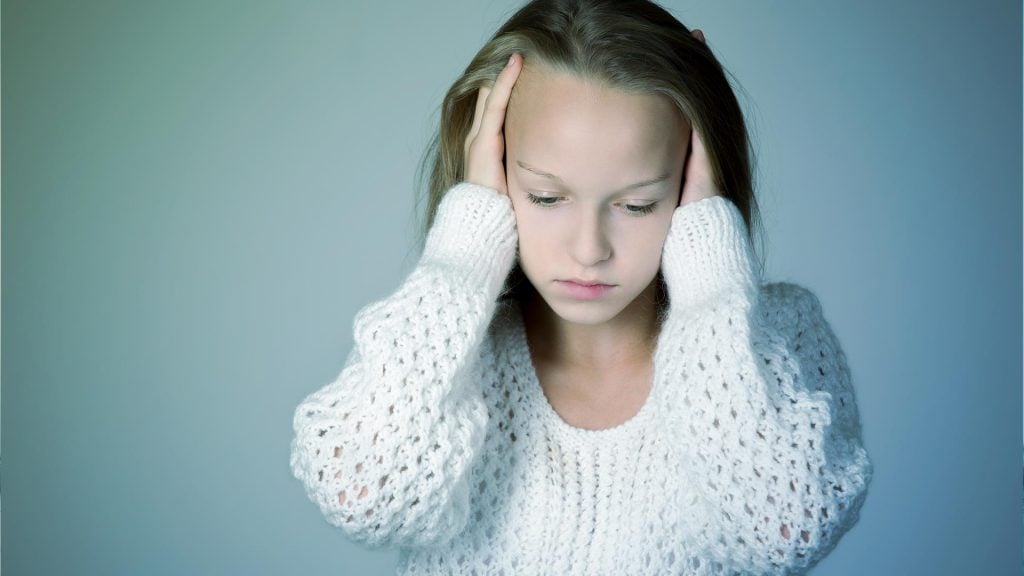
What Are the Most Common Physical Symptoms of Anxiety in Teens?
Physical symptoms of anxiety in teens include digestive problems, sleep disruption, cardiovascular signs, chronic fatigue, and muscle tension. These often mimic medical conditions and can affect multiple body systems.
Digestive Issues and Gastrointestinal Distress
The gut and brain are closely linked, so digestion is often affected by stress. Stress hormones can cause:
- Persistent nausea or queasiness
- Stomach cramps and abdominal pain
- Bloating and gas
- Vomiting or dry heaving
- Diarrhea or constipation
These symptoms frequently appear before school, tests, or social events. If a teen often says their stomach “hurts too much for school,” that is a red flag worth investigating.
Sleep Disruption and Appetite Changes
Anxiety commonly disrupts sleep. Teens may:
- Struggle to fall asleep because of racing thoughts
- Wake often during the night with tension
- Oversleep and still feel exhausted
- Have vivid nightmares or stress dreams
Appetite can also shift sharply. Some teens eat more for comfort, especially carbohydrates. Others lose interest in food.
Cardiovascular and Respiratory Symptoms
These signs can alarm families. Common cardiovascular and breathing symptoms include:
- Rapid heartbeat or palpitations
- Chest tightness or pain
- Shortness of breath or shallow breathing
- Dizziness or lightheadedness
- Hot flashes or sudden chills
Hyperventilation and panic attacks can contribute to several of these symptoms.
Chronic Fatigue and Muscle Tension
Ongoing anxiety keeps the body on high alert and becomes physically draining. Teens may have:
- Overwhelming fatigue despite sleep
- Tension headaches that feel like a band around the head
- Migraines with light and sound sensitivity
- Jaw clenching or teeth grinding
- Shoulder, neck, or back tightness
- Trembling or shaking hands
How Can You Identify Anxiety-Related Patterns?
Look at timing and triggers. If symptoms appear before school, ease during vacation, or flare before social events, anxiety is likely the cause rather than a physical illness.
Why Does Anxiety Show Up Physically in Teens?
Adolescent brains develop unevenly. The amygdala, which triggers fear, matures earlier than the prefrontal cortex, which regulates impulses and decision making. This imbalance makes teens more reactive to perceived threats and less able to manage stress. Academic pressure, social media, identity questions, peer relationships, and family dynamics all can cause anxiety and stress to build up.
Do Symptoms Vary Between Teen Girls and Boys?
Yes. Teenage anxiety physical symptoms can vary by gender.
Anxiety Symptoms in Teenage Females
Teen girls often internalize anxiety. They may experience:
- Frequent stomach pain and digestive problems
- Chronic fatigue and low energy
- Tension headaches or migraines
- Disrupted menstrual cycles or worse PMS
- Stress-related acne
Hormonal changes during puberty can intensify these symptoms.
Anxiety Symptoms in Teenage Males
Teen boys may show distress in different ways. They might have:
- Irritability or restlessness
- Risk-taking behaviors, such as reckless driving or substance use
- Racing heart or chest discomfort
- Muscle aches and sports injuries are linked to tension
- Difficulty winding down at night
Boys often underreport symptoms because of stigma.
When Should You Seek Professional Help?
Seek professional support when unexplained physical complaints interfere with daily life. Consider an evaluation if your teen:
- Misses school regularly because of physical complaints
- Avoids friends or activities they used to enjoy
- Has frequent panic episodes or intense anxiety attacks
- Shows major changes in sleep or appetite
- Has strong emotional outbursts or constant irritability
- Reports physical symptoms that medical tests do not explain
The American Academy of Pediatrics recommends routine anxiety screening during adolescent checkups starting at 8 years old. Early intervention reduces the risk of long-term problems.

How The Ridge RTC Helps Teenage Anxiety Physical Symptoms
When symptoms are persistent and disruptive, structured treatment changes outcomes. We offer a residential program on 350 wooded acres in Milton, New Hampshire, for teens ages 12 to 18. Our 52-bed program uses trauma-informed care and includes:
- Three individual therapy sessions per week with licensed clinicians
- Daily group therapy and regular family coaching
- Experiential therapies such as hiking, mindfulness, and expressive arts
- Academic support to prevent falling behind
- Peer support within a structured therapeutic community
Our approach focuses on root causes. This might mean helping to process trauma, attachment issues, or chronic stress rather than treating surface symptoms. Teens learn emotional regulation skills, body-awareness techniques, and evidence-based stress management in a supportive, low-distraction setting. Many teens begin to feel physical improvements within weeks of starting treatment.
Frequently Asked Questions
Are these physical symptoms real, or are teens exaggerating?
They are real. Anxiety triggers measurable physiological changes: faster heart rate, altered digestion, muscle tension, and hormonal shifts.
Should medical issues be ruled out first?
Yes. Always pursue a medical evaluation to exclude conditions such as irritable bowel syndrome, anemia, or thyroid dysfunction. After medical causes are excluded, anxiety often explains ongoing symptoms.
Can teens be anxious without realizing it?
Yes. Many teens lack the words or self-awareness to identify anxiety. Their bodies often signal stress before their minds do.
Will treating anxiety help physical symptoms?
In most cases, yes. As teens learn coping strategies and address underlying anxiety through therapy, physical symptoms usually diminish as the stress response calms.
Final Thoughts
Physical symptoms are often a teen’s first signal that anxiety is taking hold. When headaches, stomach pain, fatigue, or sleep problems persist without a clear medical cause, it is important to look beyond the body and consider emotional stress. By recognizing patterns, ruling out medical conditions, and responding early, families can help teens feel understood rather than dismissed. With the right support and treatment, anxiety becomes manageable, physical symptoms ease, and teens regain a sense of stability and confidence in their daily lives.
Sources
- World Health Organization. (8 Sep. 2025). “Anxiety disorders.” https://www.who.int/news-room/fact-sheets/detail/anxiety-disorders
- National Library of Medicine. (18 Mar. 2019). “Maturational Changes in Prefrontal and Amygdala Circuits in Adolescence: Implications for Understanding Fear Inhibition during a Vulnerable Period of Development.” https://pmc.ncbi.nlm.nih.gov/articles/PMC6468701/
- American Academy of Pediatrics. (25 Aug. 2025). “AAP clinical report: Rising mental health problems, specialist shortages necessitate mental health screening in primary care practices.” https://publications.aap.org/aapnews/news/32828/AAP-clinical-report-Rising-mental-health-problems