


 September 28, 2026
 Reading Time: 10m
 Written By: The Ridge RTC
 Reviewed By: The Ridge Team
If you’re reading this, you’ve most likely decided that residential treatment may be the right fit for your teen. Now you want to know what residential treatment is like.
At The Ridge RTC, we provide short-term residential mental health treatment for teens and young adults ages 12 to 20 on our rural campuses in New Hampshire and Maine. Life here is structured, clinical, and very different from what many families imagine when they hear “residential treatment.”
This is not a hospital ward, a boot camp, or a school with counselors attached. So what is rehab like for minors? Here’s what teens and families can expect when it comes to residential treatment at The Ridge RTC.
Key Takeaways
- Days are tightly structured by design, with academics, group therapy, individual therapy, and recreation in fixed blocks.
- Personal phones are usually held during treatment, with scheduled family calls several times a week instead.
- School continues through an individualized academic plan and coordination with the home district. Ask how credits transfer.
- Clinical guidelines say a program should provide regular family contact and a written educational plan within 30 days. Be cautious of any program that withholds family contact.

Residential vs. Inpatient Treatment
The terms “residential” and “inpatient” are sometimes used interchangeably, but they describe different levels of care.
Inpatient psychiatric care takes place in a hospital and focuses on stabilizing an acute mental health crisis. Stays are usually short, often lasting days.
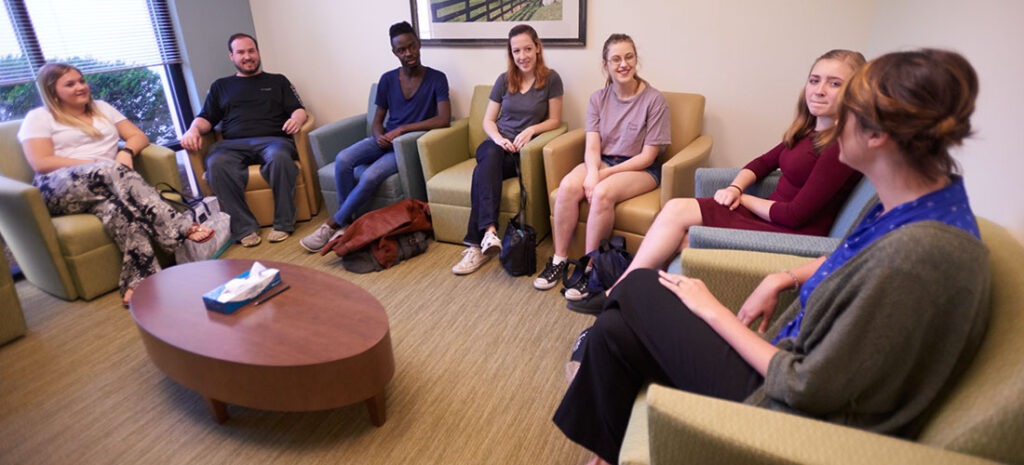
Residential treatment takes place outside of a hospital and allows more time for ongoing treatment. Teens can work on therapy, medication management, academics, family relationships, and daily living skills while living in a structured setting.
For many teens, inpatient and residential care are part of the same continuum. A hospital may help stabilize an immediate crisis, while residential treatment gives the teen more time to address the concerns that led to the crisis. At The Ridge, our teen inpatient stabilization program is designed to support teens who need stabilization as a part of their treatment plan.
What Is Residential Treatment Like in the First 48 Hours?
Arrival day is often the part that families worry about most. It’s a big change for everyone. When a teen arrives, we complete the admission process, which may include:
- Paperwork and an assessment of immediate needs
- A search of belongings
- Medical and psychiatric evaluations
- An introduction to the treatment team
- A tour of the campus and living space
- Meeting peers and staff
- An introduction to the daily schedule
Your teen will begin participating in programming within the first day or two. We also develop an initial treatment plan soon after admission and review it regularly as treatment progresses.
The first few days can be difficult. Homesickness, frustration, anger, and uncertainty are common. That reaction does not automatically mean residential treatment is the wrong choice. Your teen is adjusting to a new setting, new expectations, and a different way of handling difficult emotions.
We complete a teen psychiatric evaluation at admission. Families can also review our what-to-pack list before arrival so they know what their teen can bring.
What Happens in Residential Treatment on a Day-to-Day Basis
Structure is a big part of residential treatment. Teens know where they need to be, what they are working on, and what comes next.
A residential treatment daily schedule at The Ridge may look like this:
| Time | Activity |
| 7:00 a.m. | Wake-up and morning routine |
| 7:30 a.m. | Breakfast |
| 8:00 a.m. | Community meeting or morning check-in |
| 8:30 a.m. | Academic block, tutoring, or home-school coordination |
| 10:00 a.m. | Group therapy |
| 11:30 a.m. | Experiential or recreational programming |
| 12:30 p.m. | Lunch |
| 1:30 p.m. | Individual therapy or psychiatric appointment |
| 3:00 p.m. | Group therapy |
| 4:30 p.m. | Free time or structured social activities |
| 5:30 p.m. | Dinner |
| 6:30 p.m. | Evening group or reflection |
| 8:00 p.m. | Wind-down time, reading, journaling, or quiet activities |
| 9:30 p.m. | Lights out |
Schedules vary by campus and day, but the overall rhythm remains consistent. Individual therapy takes place multiple times each week, and family therapy is scheduled weekly. Weekends allow more time for recreation, family calls, and visits.
We also incorporate experiential and recreational programming into the treatment schedule. Depending on the teen and their treatment plan, this can include teen experiential therapy, equine therapy, art, movement, and teen recreational therapy.
Therapy Modalities
Therapy starts with the individual teen. Early sessions often focus on safety, building trust, and understanding what brought them to treatment.
Individual therapy happens multiple times each week. Group therapy gives teens a chance to work on specific skills and discuss common challenges with their peers under the guidance of a clinician.
Our clinical team may use several therapeutic approaches, including:
- Cognitive Behavioral Therapy (CBT)
- Dialectical Behavior Therapy (DBT) skills
- Trauma-focused therapy
- Motivational interviewing
- Art and music therapy
- Equine-assisted psychotherapy
- Experiential activities
The goal is to put these skills into practice.
In CBT, a teen may learn to recognize unhelpful thought patterns and question them. DBT gives teens practical skills for managing emotions and tolerating distress. During equine therapy, a teen may work with a horse under supervision and then process the experience with a therapist.
The work can look different from one session to the next. What stays consistent is the focus on helping teens build skills they can use in everyday life. We also provide parent coaching and family therapy for teens as part of residential treatment.
Can You Have Your Phone in Residential Treatment?
Phone policies vary between residential programs. At The Ridge, personal phones are held during treatment, and teens have scheduled opportunities to communicate with family via landlines.
This structure gives teens time away from the constant pull of social media, texting, and other outside distractions. It also gives them more opportunities to engage with the people around them.
Calls and Visits With Family
Family involvement starts early and continues throughout treatment. At The Ridge, families have three scheduled calls each week. In-person visits are encouraged and scheduled regularly when appropriate. Weekly family therapy gives parents and teens time to work through concerns with support from a clinician.
We also offer parent psychoeducation groups so families can better understand what their teen is learning and how to reinforce those skills at home.
Schooling While in Treatment
Treatment does not mean your teen has to put school on hold. At The Ridge, we assess each teen’s academic needs upon arrival. We then create an individualized academic plan and coordinate with the teen’s home school to help keep coursework moving.
We provide tutoring and home-to-school coordination rather than operating an on-campus accredited school. Before placement, we encourage families to ask both the program and the school district:
- Who assigns and grades the work?
- How will credits transfer back to the home school?
- Who manages the IEP or 504 plan?
- How often will the school communicate with the treatment program?
Get those details in writing when possible. Academic policies can vary between districts, so having a clear plan before admission can make the eventual transition home easier.
Rules, Consequences, and How Privileges Work
Residential treatment comes with clear expectations. Teens have routines to follow, responsibilities to manage, and boundaries that help keep the environment safe.
Some programs use levels or phases. As a teen demonstrates safe behavior and participates in treatment, they may earn additional privileges, such as increased phone access, later bedtimes, or additional activities. At The Ridge, we view consequences as opportunities to learn from choices rather than as punishment.
When you’re considering a residential program, ask to see its behavior management policy. You should understand how the program handles unsafe behavior, rule violations, privileges, and restraints before making a decision.
Roommates, Food, and Clothes
The day-to-day details matter, especially when your teen is preparing to leave home. Rooms are generally shared, and roommate assignments are based on clinical and developmental considerations.
Meals are provided at scheduled times, and dietary needs or eating concerns are addressed by the appropriate members of the clinical and medical team. Spending money policies vary, so ask the program whether your teen will need an account for snacks or personal items.
Clothing is allowed within program guidelines. Certain items, logos, or materials may not be permitted. Electronics, valuables, and other personal belongings may be held during treatment.
Laundry is handled on a regular schedule. Depending on the program and the teen’s abilities, laundry can also become part of daily living skills. Medications are administered by nursing staff, and teens do not keep medication in their rooms.
How Progress is Measured
Progress does not always look dramatic, especially at the beginning. Early progress may mean getting out of bed, attending groups, participating in school, talking with a therapist, or practicing a new coping skill. Over time, the work can move toward deeper insight and lasting behavioral changes.
Discharge planning starts early. We work with the teen and family to identify the next level of care, coordinate with outpatient providers, and prepare everyone for the transition. Stays at The Ridge typically range from 30 to 90 days. The appropriate length depends on the teen’s needs, treatment progress, clinical recommendations, and what insurance will cover.
Families can check out our campuses by way of an online facility tour to learn more about who The Ridge treats and our residential treatment model.
Frequently Asked Questions
Can you have your phone in residential treatment?
Phone policies vary by program. At The Ridge, personal phones are held during treatment, and teens have three scheduled family calls each week. Access can change as treatment progresses.
What is residential treatment like?
Days follow a structured schedule that includes meals, school, therapy, recreation, community meetings, and downtime. Individual therapy takes place multiple times each week, and family therapy is scheduled weekly. Weekends usually allow more time for recreation, family calls, and visits.
Do teens go to school during residential treatment?
Yes. At The Ridge, we assess academic needs at admission, create an individualized plan, and coordinate with the teen’s home school. We provide tutoring and academic support while the teen is in treatment.
Is residential treatment the same as inpatient care?
No. Inpatient psychiatric care is hospital-based and focuses on stabilizing an acute crisis. Residential treatment takes place in a non-hospital setting and provides more time for ongoing therapy, psychiatric care, academics, family work, and daily skill-building.
Final Thoughts
Residential treatment can feel intimidating when you don’t know what to expect. Before choosing a program, ask specific questions. What is residential treatment like? How will schoolwork and credits be handled? How do you manage behavior and privileges? The answers can help you understand how a program operates and whether its approach fits your family’s needs.
To learn more about our approach, visit our teen residential treatment FAQs or explore our New Hampshire and Maine campuses. At The Ridge RTC, we believe meaningful treatment happens through everyday work. Teens have a structured place to learn, practice new skills, build relationships, and work with their families toward what comes next.